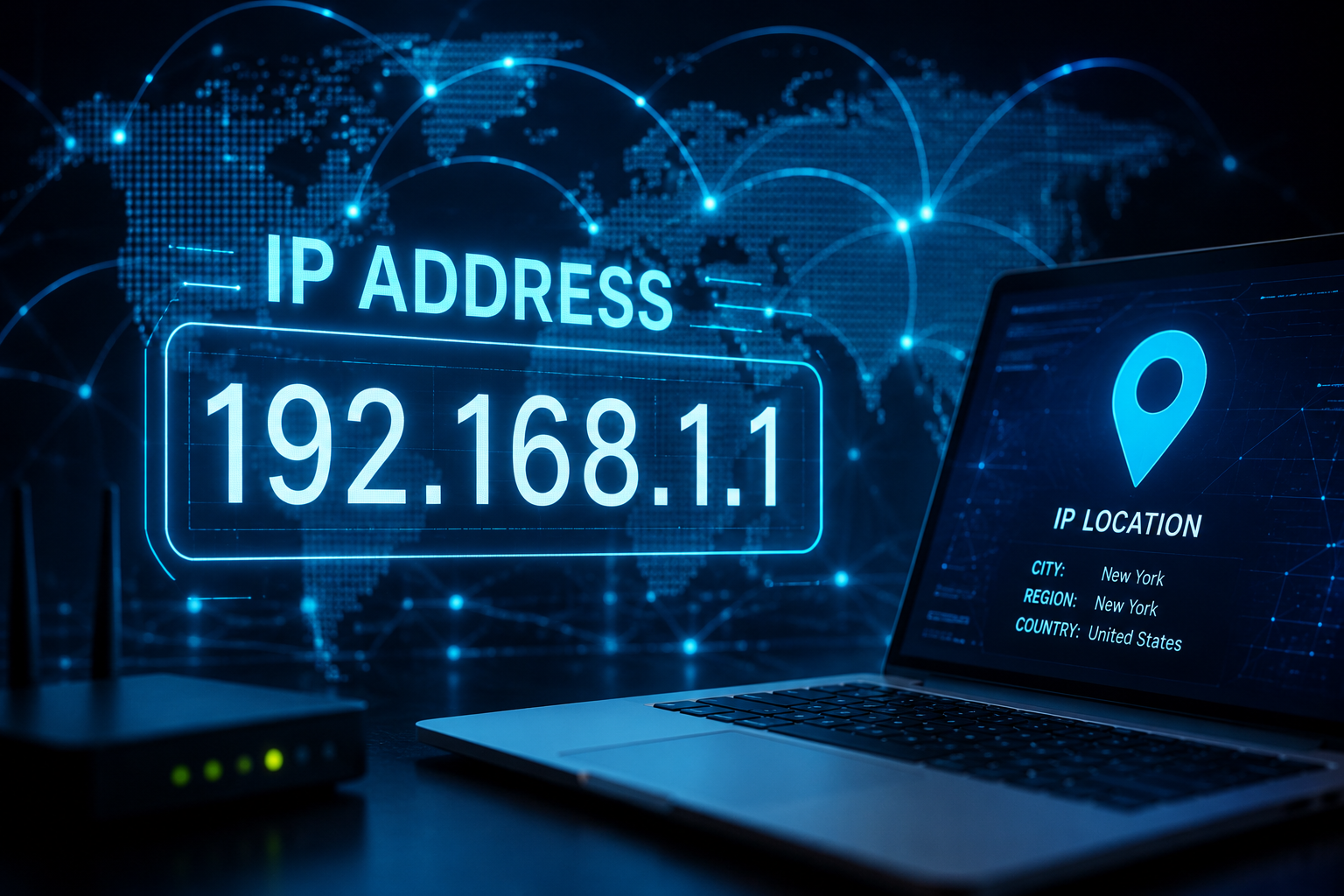
Every device connected to the internet has an identity. Whether you are browsing your favorite website, sending an email, streaming a movie, joining a video call, or playing an online game, your device communicates using a unique identifier known as an Internet Protocol (IP) address.
Most people use the internet every day without ever thinking about their IP address. Yet this small piece of information plays a vital role in making online communication possible. Knowing how to find your IP address can help you troubleshoot network problems, configure devices, improve online security, or simply understand how the internet works.
The good news is that finding your IP address is usually quick and easy, whether you are using a Windows PC, Mac, iPhone, Android phone, or even your home Wi-Fi router. This guide explains everything you need to know, including the difference between public and private IP addresses, why they matter, and how you can locate them on almost any device.
What Is an IP Address?
An IP address is a unique numerical label assigned to a device connected to a network that uses the Internet Protocol. It acts much like a mailing address for your home. Instead of helping postal workers deliver letters, an IP address helps computers and other devices send and receive data across networks.
Whenever you visit a website, your device sends requests over the internet using its IP address. The website’s server then knows where to send the information back. Without IP addresses, internet communication would not work because devices would have no reliable way to identify one another.
Although people often think of the internet as a giant cloud, it is actually a vast network of computers communicating through IP addresses.
Why Every Device Needs an IP Address
Imagine trying to call someone without knowing their phone number or send a package without an address. The internet faces the same challenge.
Every smartphone, laptop, smart TV, gaming console, printer, tablet, and Wi-Fi camera connected to a network receives an IP address. This allows routers and servers to identify the correct destination for every piece of data.
When you open a webpage, thousands of tiny packets of information travel between your device and the website’s server. Your IP address tells the server exactly where those packets should return.
Public IP Address vs. Private IP Address
Understanding the two main types of IP addresses makes finding the correct one much easier.
A public IP address is assigned by your Internet Service Provider (ISP). This is the address visible to websites and online services when your device accesses the internet. Every home internet connection typically has one public IP address shared by all devices connected through the same router.
A private IP address is assigned by your home or office router. It identifies devices within your local network. Your laptop, phone, smart speaker, and printer all usually have different private IP addresses, even though they share the same public IP address when communicating with the internet.
Think of your public IP address as your apartment building’s street address, while private IP addresses are the apartment numbers inside that building.
IPv4 and IPv6: Two Versions of Internet Addresses
You may notice that IP addresses come in different formats.
IPv4 is the older and still most widely used version. It consists of four numbers separated by periods, such as:
192.168.1.25
Each number ranges from 0 to 255.
Because the internet has grown enormously, the available IPv4 addresses are becoming limited. To solve this problem, IPv6 was developed.
IPv6 addresses are much longer and use hexadecimal numbers separated by colons, such as:
2001:0db8:85a3:0000:0000:8a2e:0370:7334
IPv6 supports an enormous number of unique addresses, ensuring there are enough for billions of current and future internet-connected devices.
Many modern networks use both IPv4 and IPv6 simultaneously.
Why You Might Need to Find Your IP Address
Most people never need their IP address until a specific situation arises.
You might be troubleshooting an internet connection.
You may be setting up a printer or network storage device.
Some online games require your IP information for hosting multiplayer sessions.
Technical support may ask for your IP address when diagnosing connectivity problems.
If you manage servers, security cameras, smart home devices, or remote desktop connections, knowing your IP address becomes even more important.
Understanding your IP address also helps you learn how your home network functions.
How to Find Your Public IP Address
Finding your public IP address is remarkably simple.
The easiest method is to visit a website that displays your current public IP address. These websites detect the address your internet connection is using and show it immediately.
You can also search online for “What is my IP,” and many search engines display your current public IP address directly in the search results.
Remember that this address belongs to your internet connection, not necessarily to one specific device. Every device connected to the same home Wi-Fi network usually shares this public address when communicating with the internet.
If you restart your modem or if your Internet Service Provider assigns dynamic addresses, your public IP address may change over time.
How to Find Your Private IP Address on Windows
Windows provides several simple ways to locate your private IP address.
One method is through the Settings application. Opening the Network & Internet section and viewing the properties of your active connection reveals detailed network information, including your IPv4 and IPv6 addresses.
Another popular method uses the Command Prompt.
Typing the command:
ipconfig
displays your network information. Under your active Wi-Fi or Ethernet adapter, Windows lists the IPv4 address assigned to your computer.
This address usually begins with numbers such as:
192.168.x.x
10.x.x.x
172.16.x.x through 172.31.x.x
These ranges are reserved for private local networks.
How to Find Your Private IP Address on macOS
Apple computers make finding an IP address straightforward.
Open System Settings and select the Network section.
Choose the network connection currently in use, such as Wi-Fi or Ethernet.
Your Mac displays connection information, including the assigned IPv4 address and, when available, the IPv6 address.
Advanced network settings provide even more details for users managing complex home or office networks.
How to Find Your IP Address on an iPhone
Finding your IP address on an iPhone only takes a few moments.
Open the Settings app and tap Wi-Fi.
Select the information button next to the connected Wi-Fi network.
The screen displays network details, including the device’s IPv4 address, subnet mask, router address, and sometimes its IPv6 address if supported by the network.
This is your private IP address within your local Wi-Fi network.
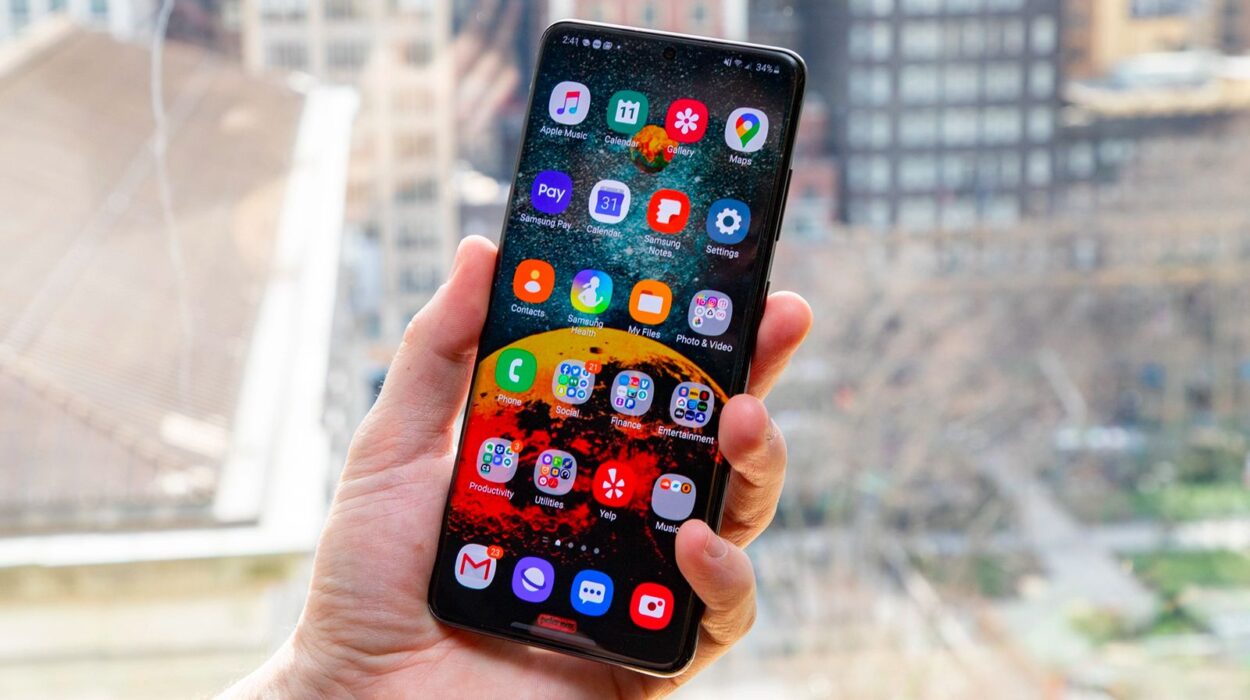
How to Find Your IP Address on an Android Phone
Although Android interfaces vary slightly among manufacturers, the general process remains similar.
Open Settings and navigate to Network or Wi-Fi settings.
Tap the currently connected Wi-Fi network.
The network details page usually lists the IP address along with gateway information, DNS servers, and network speed.
Depending on the Android version and manufacturer, some devices place this information under Advanced Network Settings.
How to Find Your Router’s IP Address
Your router itself also has an IP address.
This address allows you to access the router’s management page for changing Wi-Fi passwords, updating firmware, configuring parental controls, or adjusting security settings.
Common router addresses include:
192.168.0.1
192.168.1.1
10.0.0.1
You can usually find the router’s address within your device’s network settings under “Gateway” or “Default Gateway.”
Typing this address into a web browser opens the router’s login page.
How to Find Your IP Address Using the Command Line
Many operating systems include built-in networking commands.
On Windows, the ipconfig command displays network configuration.
On macOS and Linux, commands such as ifconfig or ip addr reveal detailed information about active network interfaces.
These tools provide considerably more information than graphical settings, making them useful for troubleshooting network issues.
System administrators often rely on these commands to diagnose connectivity problems.
Why Your IP Address Changes
Many people notice that their public IP address occasionally changes.
This is perfectly normal.
Most Internet Service Providers assign dynamic IP addresses using a system called Dynamic Host Configuration Protocol (DHCP).
A dynamic address may change after restarting your modem, reconnecting to the network, or after a certain lease period expires.
Some businesses and advanced home users purchase static IP addresses that remain constant over long periods.
Static addresses are useful for hosting websites, remote access, or certain business applications.
Does Your IP Address Reveal Your Exact Location?
A common misconception is that an IP address reveals your exact home address.
In reality, this is generally not true.
A public IP address can often indicate the approximate geographic region, city, or metropolitan area associated with your internet service provider.
However, it usually cannot pinpoint your exact house or apartment.
The accuracy of IP-based location varies significantly depending on your Internet Service Provider and the databases used by websites.
GPS technology is generally far more precise than IP-based geolocation.
Is It Safe to Share Your IP Address?
Your public IP address is not completely secret.
Every website you visit receives it because it needs to know where to send information back to your device.
However, sharing your public IP address widely is generally unnecessary.
Although simply knowing someone’s IP address usually does not allow attackers to compromise a device, cybercriminals may attempt network scanning or denial-of-service attacks if they specifically target a known IP address.
Keeping your devices updated, using a secure router, enabling firewalls, and following good cybersecurity practices provide much stronger protection than trying to hide your IP address alone.
Can a VPN Change Your IP Address?
Yes.
A Virtual Private Network (VPN) routes your internet traffic through a secure server operated by the VPN provider.
As a result, websites typically see the VPN server’s public IP address rather than the one assigned by your Internet Service Provider.
This can improve privacy, especially when using public Wi-Fi networks, because it encrypts internet traffic between your device and the VPN server.
However, using a VPN does not make someone completely anonymous online. Websites and online services may still identify users through cookies, account logins, browser fingerprinting, and other technologies.
Can Two Devices Have the Same IP Address?
Within the same local network, every device must have a unique private IP address.
Otherwise, communication problems known as IP conflicts can occur.
However, many different homes around the world can use the same private IP addresses because private address ranges are reused independently on separate local networks.
For public IP addresses, Internet Service Providers assign unique addresses so internet traffic reaches the correct destination.
How Routers Assign IP Addresses
Most home routers automatically assign private IP addresses using DHCP.
When a new device connects to the network, the router selects an available address and temporarily assigns it to that device.
This automatic process means users rarely need to configure network settings manually.
If necessary, advanced users can assign fixed private addresses to devices such as printers, network storage systems, or security cameras for easier management.
Common IP Address Problems
Occasionally, devices encounter network issues related to IP addresses.
An IP conflict occurs when two devices accidentally receive the same address.
An incorrect network configuration may prevent internet access.
A router malfunction can stop devices from receiving valid IP addresses automatically.
Fortunately, restarting the router or reconnecting the device often resolves these problems because the DHCP system assigns a fresh address.
Persistent issues may require checking network settings or consulting your Internet Service Provider.
Understanding IP Addresses Makes the Internet Less Mysterious
Although an IP address may appear to be nothing more than a string of numbers, it represents one of the internet’s most essential technologies. It enables billions of devices to communicate accurately across an enormous global network, ensuring that every webpage, video, email, and message reaches its intended destination.
Learning how to find your IP address is a simple but valuable skill. Whether you are troubleshooting your Wi-Fi, configuring a smart home device, setting up remote access, or simply satisfying your curiosity about how the internet works, understanding your public and private IP addresses gives you a clearer picture of the invisible systems connecting the digital world.
The next time you browse a website or stream a movie, remember that behind every click, your IP address quietly helps guide information across the internet, making modern online communication possible in a matter of milliseconds.