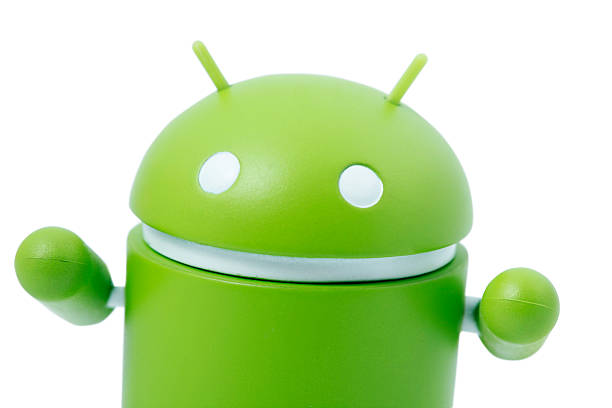
Imagine waking up in the morning and checking the weather on your phone. You send messages to friends, watch videos, browse social media, take photos, navigate traffic, and perhaps even pay for your coffee—all using the same device. Behind many of these everyday experiences is Android, the operating system that powers billions of smartphones, tablets, smart TVs, watches, and other connected devices around the world.
Android has become such a familiar part of modern life that many people use it every day without fully understanding what it is or how it works. Yet Android is one of the most influential technologies ever created. It has transformed communication, education, entertainment, business, and access to information on a global scale.
From students learning online to doctors accessing medical records, from travelers using navigation apps to families staying connected across continents, Android helps make countless digital experiences possible.
What Is Android?
Android is an operating system designed primarily for mobile devices such as smartphones and tablets. An operating system is the core software that manages a device’s hardware and allows applications to run.
In simple terms, Android acts as the bridge between the physical components inside a device and the apps that users interact with every day.
When you tap an app icon, take a photo, make a phone call, or connect to Wi-Fi, Android coordinates all of these actions behind the scenes. It controls the device’s memory, processor, storage, display, camera, sensors, and network connections.
Without an operating system like Android, a smartphone would simply be a collection of electronic components unable to perform useful tasks.
Today, Android powers billions of active devices worldwide, making it the most widely used mobile operating system on Earth.
The Story Behind Android
Android’s journey began in 2003 when a small company called Android Inc. was founded with the goal of creating software for mobile devices.
In 2005, Google acquired the company and began developing Android into a powerful smartphone platform.
At that time, mobile phones were far less capable than they are today. Smartphones were still emerging, and mobile internet access was limited.
Everything changed in 2008 when the first Android smartphone was released. Android offered manufacturers and developers a flexible platform that could be adapted to many different devices.
As smartphone technology rapidly improved, Android evolved alongside it. New versions introduced better security, improved performance, enhanced cameras, advanced artificial intelligence features, and support for increasingly powerful hardware.
Over time, Android became the dominant mobile operating system across much of the world.
How Android Works
At its core, Android is a complex software system built on the Linux kernel, a highly respected and widely used operating system foundation.
The Linux kernel manages essential tasks such as memory allocation, device communication, security, and process management.
Above this foundation sits the Android framework, which provides tools and services that developers use to create apps.
When a user opens an application, Android allocates system resources, manages data storage, handles user input, and coordinates communication between software and hardware.
All of this happens in fractions of a second.
Although users see colorful icons and smooth animations, Android is constantly performing thousands of operations in the background to keep everything functioning efficiently.
Why Android Is So Popular
One reason for Android’s enormous success is its flexibility.
Unlike some operating systems that are restricted to devices made by a single company, Android can be used by many different manufacturers.
Companies around the world create Android smartphones in a wide range of sizes, styles, and price points.
This flexibility allows consumers to choose devices that match their needs and budgets.
Some Android phones focus on photography, while others emphasize gaming, battery life, durability, productivity, or affordability.
Because Android is available on such a wide variety of devices, it has become accessible to people across different countries and economic backgrounds.
This broad availability has helped connect billions of people to the internet and digital services.
The Android User Experience
One of Android’s strengths is its user-friendly design.
Most Android devices use touchscreens that allow users to interact directly with apps and content.
The home screen serves as the central hub where users can launch applications, view notifications, and access widgets that display useful information such as weather forecasts, calendars, or news updates.
Android also provides multitasking capabilities, allowing users to switch between apps quickly and efficiently.
Modern versions include voice assistants, gesture navigation, customizable themes, and intelligent features powered by artificial intelligence.
These tools help make technology feel more natural and accessible.
Apps: The Heart of Android
Apps are one of the main reasons Android has become so successful.
Applications extend the capabilities of smartphones far beyond basic communication.
Through apps, Android devices can become cameras, gaming consoles, navigation systems, fitness trackers, educational tools, video editors, banking terminals, and much more.
Developers around the world create Android applications using specialized programming tools and software development kits.
These apps can be downloaded and installed through app marketplaces such as the Google Play Store.
The enormous diversity of available apps means users can personalize their devices to suit their interests, hobbies, careers, and lifestyles.
Whether someone wants to learn a language, edit videos, track exercise, read books, or explore the night sky, there is likely an Android app designed for that purpose.
Android and Artificial Intelligence
Artificial intelligence has become an increasingly important part of Android.
Modern Android devices use AI to improve photography, recognize speech, translate languages, predict user behavior, and optimize battery life.
When a smartphone automatically enhances a photo, filters spam calls, suggests replies to messages, or transcribes spoken words into text, artificial intelligence is often involved.
Machine learning systems running on Android devices can analyze patterns while preserving user privacy by performing many tasks directly on the device itself.
These intelligent capabilities continue to grow as smartphones become more powerful.
Android and Smartphone Cameras
One area where Android has advanced dramatically is photography.
Today’s Android phones contain sophisticated camera systems capable of producing images that would have been impossible for smartphones only a decade ago.
Modern Android camera software combines optics, image sensors, and computational photography techniques.
When a photo is taken, Android can instantly adjust exposure, sharpen details, reduce noise, balance colors, and improve dynamic range.
Artificial intelligence can even recognize scenes such as landscapes, food, pets, or portraits and optimize camera settings accordingly.
The result is that millions of people now carry powerful cameras in their pockets every day.
Security in Android
Because smartphones contain personal information, security is a major priority.
Android includes multiple layers of protection designed to safeguard users and their data.
Security features include device encryption, biometric authentication, secure app permissions, malware detection, and regular software updates.
Encryption helps protect stored information by converting data into coded formats that cannot easily be read by unauthorized individuals.
Biometric technologies such as fingerprint scanning and facial recognition provide convenient ways to secure devices.
Android also isolates applications from one another, helping prevent malicious software from accessing sensitive information.
Although no system is completely immune to threats, Android’s security technologies continue to evolve to address emerging risks.
Android Beyond Smartphones
Many people associate Android exclusively with smartphones, but the operating system powers much more than mobile phones.
Android is used in tablets, smart televisions, wearable devices, vehicle infotainment systems, digital displays, and various Internet of Things products.
Android TV brings streaming services and applications to large screens.
Wear OS extends Android technology to smartwatches that monitor health, fitness, and notifications.
Android Automotive helps power software systems inside modern vehicles.
These expanding applications demonstrate Android’s versatility and adaptability across different technologies.
Android and the Internet
Android has played a major role in expanding global internet access.
For many people around the world, an Android smartphone represents their primary connection to the internet.
Through Android devices, users can access educational resources, healthcare information, financial services, government programs, communication platforms, and online learning opportunities.
The availability of affordable Android smartphones has helped bridge digital divides and connect communities that previously had limited access to information technology.
This widespread accessibility has had profound social and economic impacts in many regions.
Customization and Personal Freedom
Another defining feature of Android is customization.
Users can often personalize their devices in ways that suit their preferences.
Home screens can be rearranged, wallpapers changed, widgets added, and system settings adjusted.
Different manufacturers also customize Android to create unique user experiences.
This flexibility allows Android devices to feel more personal and adaptable.
For many users, the ability to tailor their devices to their own tastes is one of Android’s most appealing qualities.
Android and Scientific Innovation
Android’s development reflects advances in computer science, electronics, telecommunications, artificial intelligence, and software engineering.
Modern Android devices contain highly sophisticated technologies packed into remarkably compact hardware.
Powerful processors perform billions of calculations every second.
Wireless communication systems connect devices across vast distances.
Sensors measure motion, orientation, location, and environmental conditions.
Machine learning algorithms process information intelligently and efficiently.
These innovations represent decades of scientific and engineering progress working together in a single device.
Every Android smartphone is, in many ways, a small technological marvel.
The Future of Android
Android continues to evolve as technology advances.
Future versions are expected to incorporate more artificial intelligence, stronger security protections, improved energy efficiency, and deeper integration with smart devices.
Emerging technologies such as augmented reality, advanced machine learning, foldable displays, and next-generation wireless networks will likely shape Android’s future development.
As computing becomes increasingly mobile and interconnected, Android is expected to remain a central platform in the digital world.
Its ability to adapt to new technologies and changing user needs has been one of its greatest strengths.
Conclusion: More Than Just a Smartphone Operating System
Android is far more than the software that powers a smartphone. It is a vast technological ecosystem that connects billions of people to information, communication, education, entertainment, and opportunity.
By managing hardware, supporting applications, enabling internet access, and incorporating cutting-edge technologies such as artificial intelligence and advanced security systems, Android has become an essential part of modern life.
Every message sent, photo captured, map navigated, and video streamed on an Android device reflects an extraordinary combination of science, engineering, and innovation. Although most users rarely see the complex software working beneath the surface, Android quietly orchestrates countless tasks every second, making digital experiences feel effortless.
As technology continues to advance, Android will likely remain at the center of how people interact with the digital world, helping shape the future of communication, learning, creativity, and human connection for years to come.