Every time you connect to the internet, you enter a world filled with incredible opportunities. You can send messages across the globe in seconds, watch videos, shop online, work remotely, play games, and access nearly unlimited information. But the internet is also home to cybercriminals, malicious software, and countless automated attacks searching for vulnerable devices.
Most people never see these threats. They happen silently in the background, with computers constantly exchanging millions of pieces of information every second. Without protection, an unprotected device connected to the internet could become a target for unauthorized access or malicious activity.
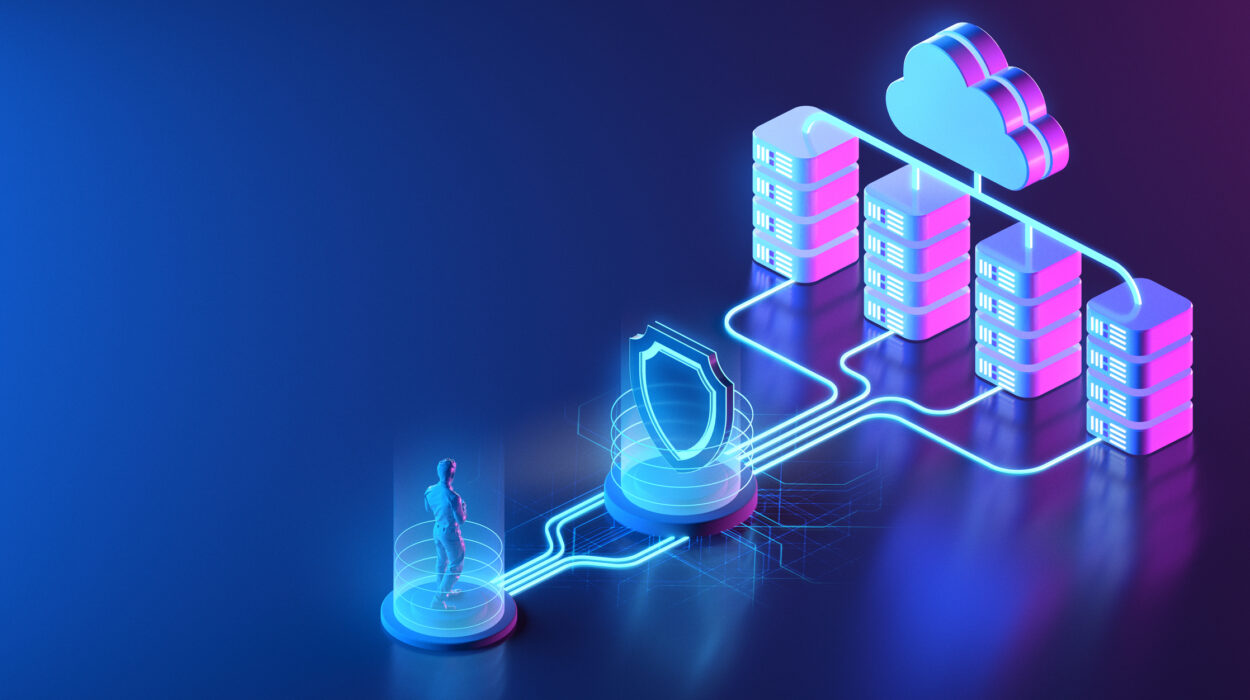
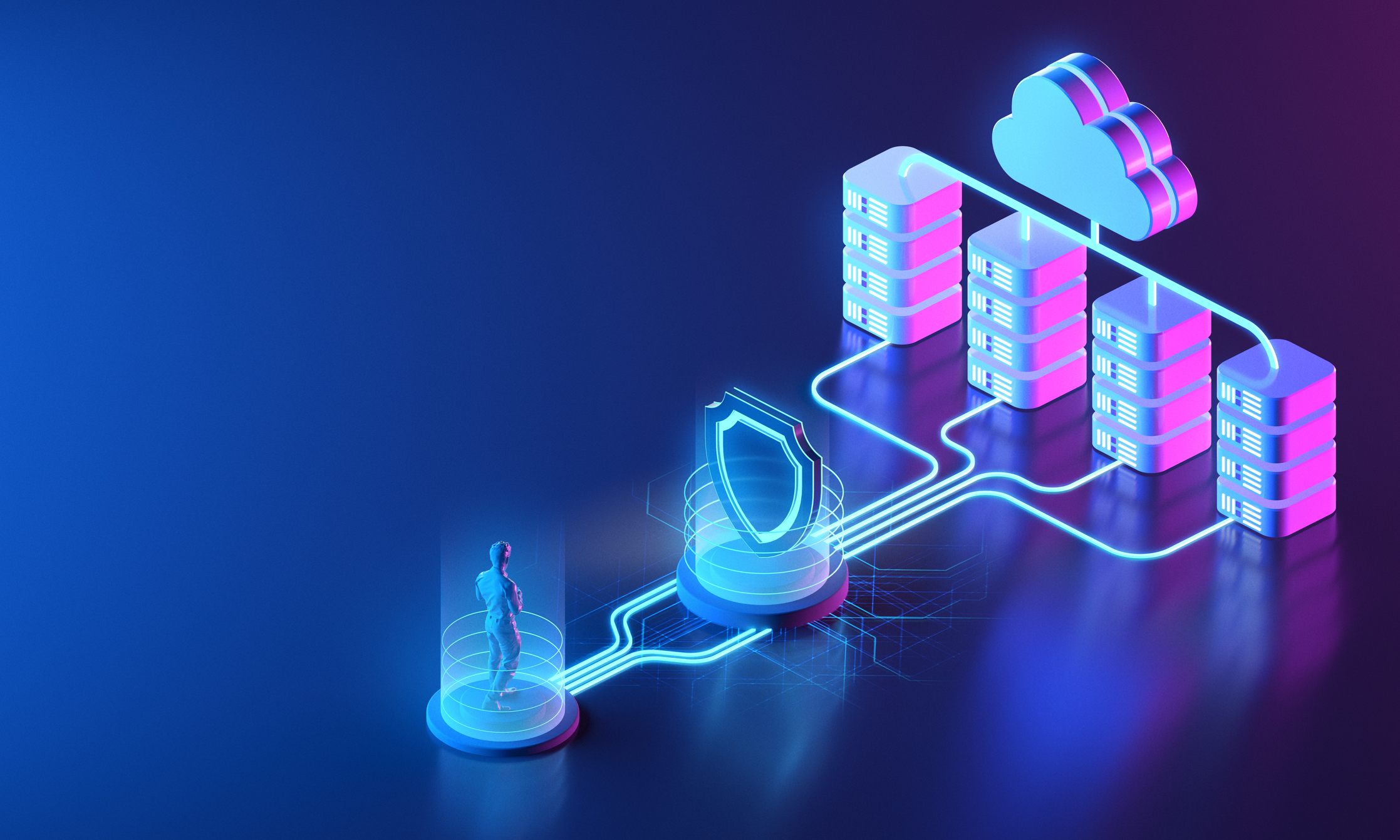
This is where a firewall plays one of the most important roles in cybersecurity. Acting as a vigilant security guard, a firewall watches the traffic flowing into and out of a computer or network. It decides what is safe to allow and what should be blocked before potential threats reach their destination.
Although most people rarely think about firewalls, they are working around the clock behind the scenes. They protect home computers, smartphones, businesses, hospitals, banks, government agencies, schools, and even massive cloud data centers. In today’s connected world, firewalls are one of the most essential tools for digital security.
What Is a Firewall?
A firewall is a cybersecurity system that monitors and controls network traffic based on predefined security rules. Its primary purpose is to prevent unauthorized access while allowing legitimate communication.
You can think of a firewall as the security checkpoint at the entrance to a building. People with proper authorization are allowed inside, while suspicious visitors may be stopped for inspection or denied entry altogether.
Similarly, a firewall examines digital traffic traveling between devices or networks. Depending on its security policies, it allows trusted data to pass while blocking suspicious or potentially harmful connections.
A firewall does not eliminate every cyber threat, but it significantly reduces the risk of unauthorized access, malware infections, and many common types of cyberattacks.
Why Firewalls Are Necessary
The internet connects billions of devices worldwide. Every connected device has the potential to communicate with countless others.
While this global connectivity enables modern life, it also creates opportunities for attackers. Cybercriminals continuously scan the internet looking for vulnerable systems with weak security settings.
Without a firewall, a device may accept unwanted incoming connections that could expose sensitive information or provide attackers with opportunities to exploit software vulnerabilities.
A firewall helps reduce these risks by acting as the first line of defense. Instead of allowing every connection, it carefully evaluates whether communication should be permitted.
This filtering process protects personal information, business data, financial records, and critical infrastructure from many forms of unauthorized access.
How a Firewall Works
Whenever data travels across the internet, it is divided into small units called packets.
Each packet contains not only part of the information being transmitted but also details about where it came from, where it is going, and what type of communication it belongs to.
A firewall examines these packets as they pass through.
Using predefined security rules, the firewall decides whether each packet should be allowed, rejected, or closely inspected.
If the communication appears legitimate and matches approved rules, the firewall allows it to continue.
If the traffic appears suspicious or violates security policies, the firewall blocks it before it reaches the protected device or network.
This entire process happens in fractions of a second and usually goes unnoticed by users.
Incoming and Outgoing Traffic
Firewalls monitor both incoming and outgoing network traffic.
Incoming traffic refers to data arriving from the internet toward your device or network.
Outgoing traffic consists of information leaving your device and traveling to other systems.
Monitoring both directions is important.
Blocking suspicious incoming traffic helps prevent attackers from gaining unauthorized access.
Monitoring outgoing traffic can help detect malware that attempts to communicate with remote servers or steal sensitive information.
Together, these capabilities strengthen overall cybersecurity.
The Evolution of Firewalls
Firewalls have changed dramatically since they first appeared during the late twentieth century.
Early firewalls mainly examined basic network information and followed simple rules.
As cyber threats became more sophisticated, firewall technology evolved to inspect increasingly complex forms of communication.
Modern firewalls can analyze applications, encrypted connections, user identities, network behavior, and even certain types of malicious activity.
Some advanced firewalls also integrate artificial intelligence and machine learning to improve threat detection by identifying unusual patterns in network traffic.
Although technology continues to evolve, the core mission remains the same: controlling network access to improve security.
Hardware Firewalls
A hardware firewall is a physical device placed between a network and the internet.
It protects multiple devices at the same time.
Many home internet routers include built-in firewall capabilities.
Businesses often deploy dedicated firewall appliances capable of protecting hundreds or thousands of connected computers.
Because hardware firewalls operate independently of individual devices, they provide an important layer of network-wide protection.
Even if several computers connect to the same internet connection, the firewall can help filter unwanted traffic before it reaches them.
Software Firewalls
A software firewall runs directly on an individual computer, smartphone, or server.
Unlike a hardware firewall, which protects an entire network, a software firewall focuses on a single device.
Modern operating systems often include built-in software firewalls that are enabled by default.
These firewalls allow users or administrators to control which applications may access the internet and which types of incoming connections are permitted.
Software firewalls are especially valuable for laptops that frequently connect to different networks, such as public Wi-Fi in airports, hotels, or coffee shops.
Cloud Firewalls
As businesses increasingly rely on cloud computing, firewall technology has adapted as well.
Cloud firewalls provide security services through cloud infrastructure rather than requiring dedicated physical hardware.
They help protect cloud applications, virtual servers, remote workers, and distributed business networks.
Cloud-based firewalls are particularly useful for organizations with employees working from multiple locations around the world.
They allow security policies to remain consistent regardless of where users connect.
Packet Filtering Firewalls
One of the earliest firewall technologies is packet filtering.
This approach examines basic information contained within each packet, such as source address, destination address, communication protocol, and port number.
Based on predefined security rules, packets are either accepted or rejected.
Although packet filtering remains useful for many situations, modern cyber threats often require more sophisticated inspection techniques.
Stateful Inspection Firewalls
Stateful inspection firewalls improve upon basic packet filtering by keeping track of active network connections.
Instead of evaluating every packet independently, they understand the broader context of ongoing communication.
This allows the firewall to distinguish between legitimate responses to existing connections and unexpected or suspicious traffic.
Stateful inspection became an important advancement because it provides stronger security without unnecessarily blocking normal communication.
Next-Generation Firewalls
Modern organizations often use next-generation firewalls.
These advanced systems combine traditional firewall functions with additional cybersecurity features.
They may inspect applications rather than only network addresses.
They can identify known malware signatures.
Some detect suspicious behavior associated with cyberattacks.
Others integrate threat intelligence from cybersecurity researchers around the world to recognize newly discovered threats.
Many next-generation firewalls also inspect encrypted internet traffic while respecting organizational security policies and privacy requirements.
These capabilities provide much deeper visibility into network activity than traditional firewalls alone.
Firewalls and Network Ports
Computers communicate using network ports.
A port is similar to a doorway through which specific types of network communication occur.
For example, web browsing, email, video calls, and online gaming often use different network ports.
Firewalls can allow or block traffic based on these ports.
If a particular service is unnecessary or potentially risky, administrators may close the associated ports to reduce opportunities for attackers.
Managing ports is an important part of maintaining secure networks.
Firewalls and Malware
Many people assume firewalls remove viruses.
In reality, firewalls and antivirus software perform different but complementary functions.
A firewall primarily controls network communication.
Antivirus software focuses on detecting and removing malicious software that has reached a device.
A firewall may prevent certain malware from entering a network or stop infected software from communicating with external servers.
However, once malicious software is already on a device, antivirus or endpoint security software is often needed to detect and remove it.
Using both technologies together provides stronger protection than relying on either alone.
Firewalls and Hackers
Cybercriminals often attempt to gain unauthorized access by scanning networks for vulnerable devices.
A properly configured firewall can block many of these connection attempts before attackers ever reach their targets.
Firewalls can also reduce the effectiveness of certain automated attacks that continuously search the internet for open services.
Although no firewall can guarantee complete protection against every cyberattack, it greatly increases the difficulty attackers face.
In cybersecurity, making attacks more difficult often discourages many opportunistic threats.
Firewalls in Homes
Most people already use firewalls without realizing it.
Home internet routers commonly include built-in firewall functions that automatically block many unwanted incoming connections.
Personal computers running modern operating systems usually include software firewalls as well.
Together, these protections help safeguard home networks from common internet threats.
Even households with only a few connected devices benefit from firewall protection.
Firewalls in Businesses
Organizations rely heavily on firewalls to protect valuable information.
Financial institutions safeguard banking systems.
Hospitals protect medical records.
Universities secure research networks.
Governments defend critical infrastructure.
Technology companies protect customer data.
Business firewalls often manage enormous volumes of network traffic while enforcing detailed security policies.
Some organizations operate multiple layers of firewalls to separate different departments or protect highly sensitive systems.
Firewalls and Public Wi-Fi
Public Wi-Fi networks are convenient but often less secure than private home networks.
When connecting through airports, hotels, cafés, or shopping centers, users share the network with many strangers.
A software firewall helps protect devices by limiting unnecessary incoming connections.
Combined with secure websites using HTTPS encryption and a trusted virtual private network (VPN) when appropriate, firewalls improve security on public networks.
Firewalls and Remote Work
Remote work has changed how organizations approach cybersecurity.
Employees now connect from homes, hotels, coworking spaces, and mobile devices around the world.
Firewalls help secure these distributed connections by enforcing consistent security rules regardless of location.
Cloud-based firewall services have become increasingly important because they can protect users wherever they work.
Can a Firewall Stop Every Cyberattack?
No.
A firewall is one of the most important cybersecurity tools, but it cannot stop every possible threat.
Some attacks rely on tricking users into revealing passwords through phishing emails.
Others exploit software vulnerabilities that require security updates.
Some malware may arrive through infected files or compromised websites.
Because cybersecurity threats are constantly evolving, effective protection requires multiple layers.
Strong passwords, multi-factor authentication, software updates, antivirus protection, encrypted connections, user awareness, regular backups, and firewalls all work together to reduce cyber risk.
Common Firewall Misconceptions
Some people believe that installing a firewall makes them completely safe online.
In reality, cybersecurity is never based on a single tool.
Others worry that firewalls slow internet performance dramatically.
Modern firewalls are designed to process enormous amounts of network traffic efficiently. While deep inspection can introduce slight delays in some situations, the security benefits generally far outweigh any minimal impact on performance.
Another misconception is that only large companies need firewalls.
In fact, home users, students, freelancers, and small businesses all benefit from firewall protection because internet-based attacks often target any vulnerable device, regardless of who owns it.
The Future of Firewalls
Cybersecurity continues to evolve as technology advances.
Today’s networks include cloud computing, Internet of Things devices, artificial intelligence systems, autonomous vehicles, industrial control systems, and billions of connected sensors.
Future firewalls are becoming more intelligent by combining automation, machine learning, behavioral analysis, and real-time threat intelligence.
Rather than relying only on fixed rules, modern security systems increasingly adapt to changing threats and unusual patterns of network activity.
These innovations help organizations respond more quickly to emerging cyber risks while supporting increasingly complex digital environments.
Why Firewalls Remain Essential
The internet has become one of humanity’s greatest achievements, connecting people, knowledge, businesses, and technologies across the globe. Yet every connection also carries potential security risks. Firewalls stand quietly between trusted devices and an unpredictable online world, making countless decisions every second to keep digital communication secure.
Although users rarely notice their presence, firewalls are among the most important foundations of modern cybersecurity. They protect personal devices, business networks, cloud services, and critical infrastructure by controlling who and what can communicate across a network.
As cyber threats continue to grow in sophistication, firewalls remain an essential part of a layered security strategy. Combined with regular software updates, strong authentication, careful online behavior, and other security technologies, they help create a safer digital world where people can communicate, learn, work, and innovate with greater confidence.