Imagine receiving an email that appears to come from your manager, a close friend, your bank, or a company you recently worked with. The message mentions your name, refers to a real project, and even includes details that seem impossible for a stranger to know. Nothing about it feels suspicious. Confident that the message is genuine, you click a link or open an attachment.
Moments later, your personal information, passwords, or even an entire organization’s network could be at risk.
This is the danger of spear phishing. Unlike ordinary phishing scams that are sent to thousands or even millions of people at once, spear phishing is carefully designed for a specific individual or organization. Cybercriminals invest time in learning about their targets so their messages appear authentic and trustworthy.
As digital communication has become an essential part of everyday life, spear phishing has emerged as one of the most effective forms of cybercrime. Understanding how it works is one of the best ways to protect yourself, your family, and your workplace.
Understanding Spear Phishing
Spear phishing is a type of cyberattack in which criminals send carefully crafted emails, text messages, social media messages, or other digital communications to a specific person or group. The goal is to trick the recipient into revealing sensitive information, transferring money, installing malicious software, or granting unauthorized access to computer systems.
The defining feature of spear phishing is personalization.
Rather than sending the same message to thousands of random people, attackers gather information about a particular target and tailor the message to make it appear genuine. This personal approach greatly increases the likelihood that the victim will trust the message and respond.
Cybersecurity experts consider spear phishing a form of social engineering, a technique that manipulates human psychology rather than attempting to break through technical security systems.
Why It Is Called “Spear” Phishing
The name perfectly describes the attack.
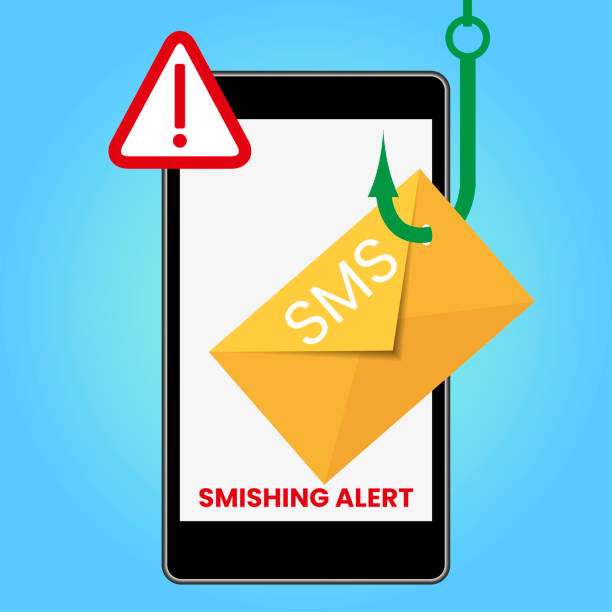
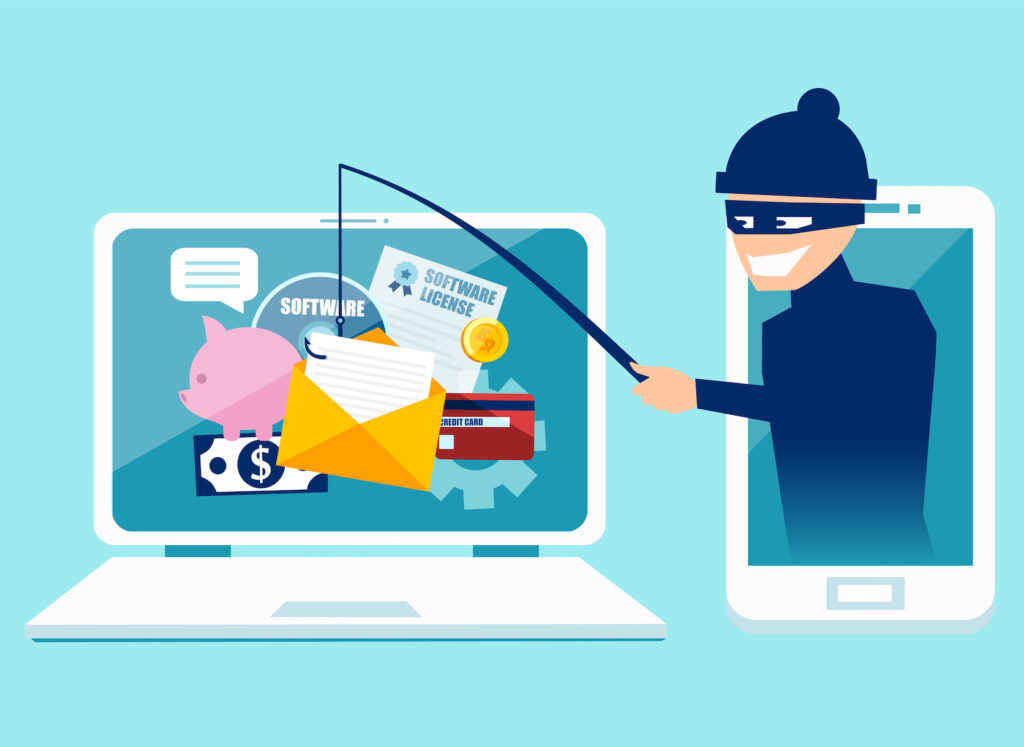
Traditional phishing resembles casting a large fishing net into the ocean, hoping that someone will take the bait. Millions of identical emails may be sent without knowing who will respond.
Spear phishing is very different.
Instead of casting a wide net, attackers aim directly at one individual or a small group. Just as a spear is carefully aimed at a specific target, a spear phishing attack focuses on a chosen victim.
Because of this precision, spear phishing attacks often achieve much higher success rates than ordinary phishing campaigns.
How Spear Phishing Works
A spear phishing attack usually begins long before the victim receives a message.
Attackers often spend days or even weeks collecting information about their target. They may examine public social media profiles, company websites, professional networking platforms, online news articles, or publicly available documents. They look for details such as job titles, coworkers, recent business activities, hobbies, travel plans, or organizational structures.
Using this information, the attacker creates a believable message.
The email might appear to come from a company executive, a trusted vendor, a customer, a government agency, or even a family member. It often contains familiar names, realistic language, and references to genuine events.
The message usually encourages immediate action. It may ask the recipient to verify login credentials, review an attached document, pay an invoice, reset a password, approve a financial transaction, or click a link to view important information.
If the victim follows the instructions, the attacker may gain access to passwords, financial accounts, confidential files, or internal computer systems.
The Psychology Behind Spear Phishing
Technology alone does not make spear phishing successful.
Its greatest strength lies in understanding human behavior.
People naturally trust familiar names, recognizable organizations, and messages that appear relevant to their daily work or personal lives.
Attackers often exploit emotions such as curiosity, urgency, fear, excitement, or responsibility.
An email claiming that a salary payment has failed may cause concern.
A message announcing an important meeting may encourage quick action.
A request from someone who appears to be a supervisor may create pressure to respond immediately.
By triggering emotional reactions, attackers reduce the likelihood that victims will carefully examine the message before acting.
How Spear Phishing Differs From Regular Phishing
Although both attacks aim to steal information or spread malicious software, they differ significantly.
Traditional phishing campaigns are broad and automated. A criminal may send millions of nearly identical emails pretending to be from banks, online stores, or technology companies. Most recipients immediately recognize these messages as suspicious.
Spear phishing is far more selective.
Every message is customized for the intended victim. Names, job responsibilities, recent activities, and organizational details are often included to increase credibility.
Because the communication feels personal and authentic, even experienced computer users may have difficulty recognizing the deception.
Common Goals of Spear Phishing Attacks
Cybercriminals launch spear phishing attacks for many reasons.
One common objective is stealing usernames and passwords that allow unauthorized access to online accounts.
Financial theft is another major goal. Attackers may convince victims to transfer money or change payment information for legitimate business transactions.
Some attacks attempt to install malicious software, including ransomware, spyware, or remote access tools, giving criminals ongoing access to computers and networks.
Others seek confidential business documents, customer records, research data, trade secrets, or intellectual property.
Government organizations, hospitals, universities, financial institutions, technology companies, and small businesses have all been targeted through spear phishing campaigns.
Information Attackers Use
The effectiveness of spear phishing depends largely on the quality of information collected about the target.
Publicly available information can provide surprising amounts of detail.
Professional networking profiles often reveal job positions, employers, coworkers, and responsibilities.
Social media accounts may show birthdays, vacations, hobbies, family members, or recent events.
Company websites frequently identify executives, department structures, and contact information.
Even online conference presentations or public interviews can provide valuable clues that attackers use to build convincing messages.
This is one reason cybersecurity experts encourage individuals and organizations to carefully consider what information they share publicly.
Common Signs of Spear Phishing
Spear phishing messages are designed to appear legitimate, but they often contain subtle warning signs.
The sender’s email address may look almost correct but include a slight spelling difference or an unfamiliar domain name.
The message may create a false sense of urgency by insisting that immediate action is required.
Unexpected requests for passwords, payment information, confidential files, or sensitive personal data should always raise suspicion.
Some emails contain attachments that were not expected or links leading to websites that imitate legitimate login pages.
Even when a message appears convincing, unexpected requests should be verified through a separate communication channel whenever possible.
Business Email Compromise
One of the most damaging forms of spear phishing is known as Business Email Compromise, often abbreviated as BEC.
In these attacks, criminals impersonate senior executives, company owners, financial officers, or trusted suppliers.
Employees may receive instructions to transfer funds, change bank account details, purchase gift cards, or share confidential information.
Because the requests appear to come from high-ranking officials, victims may comply without questioning their authenticity.
Business Email Compromise has resulted in financial losses totaling billions of dollars worldwide over the past decade.
Whaling: Targeting Senior Executives
A specialized form of spear phishing targets high-level executives such as chief executive officers, chief financial officers, government leaders, or other influential decision-makers.
This type of attack is often called whaling because it focuses on particularly valuable targets.
Senior executives often have access to confidential information, financial systems, strategic business decisions, and sensitive corporate data.
Messages directed at these individuals are usually researched in extraordinary detail, making them especially convincing.
Spear Phishing Through Text Messages and Social Media
Spear phishing is not limited to email.
Attackers increasingly use text messages, messaging applications, professional networking sites, and social media platforms.
A fraudulent message may appear to come from a colleague asking you to review an urgent document.
Someone pretending to be a recruiter may send a malicious file disguised as a job opportunity.
Social media conversations can also be used to build trust before launching a more sophisticated attack.
As communication channels continue to evolve, so do cybercriminals’ methods.
The Role of Artificial Intelligence
Artificial intelligence has changed many aspects of cybersecurity.
Unfortunately, it has also provided new tools for attackers.
AI systems can help criminals generate highly convincing emails with natural grammar, personalized language, and realistic writing styles.
Some attackers may use AI to analyze publicly available information more efficiently or create messages tailored to specific individuals.
At the same time, cybersecurity researchers are also using AI to detect suspicious behavior, identify phishing attempts, and strengthen digital defenses.
The relationship between AI and cybersecurity continues to evolve as both attackers and defenders develop increasingly sophisticated technologies.
Real-World Consequences
The consequences of a successful spear phishing attack can be severe.
Individuals may lose money, have their identities stolen, or experience unauthorized access to personal accounts.
Businesses may suffer financial losses, operational disruptions, legal consequences, reputational damage, and the theft of valuable intellectual property.
Healthcare organizations may face exposure of sensitive patient information.
Educational institutions can lose research data.
Government agencies may experience national security risks.
In many cases, the greatest damage occurs because a single trusted employee unknowingly opened the door to a much larger cyberattack.
How to Protect Yourself
The most effective defense against spear phishing begins with awareness.
Whenever you receive an unexpected message requesting sensitive information or immediate action, pause before responding. Carefully examine the sender’s address rather than relying only on the displayed name.
Be cautious with links and attachments, especially if they were not expected. When possible, visit websites by typing the official address directly into your browser instead of following links in emails.
Strong, unique passwords combined with multi-factor authentication can significantly reduce the impact of stolen credentials.
Keeping operating systems, web browsers, and security software updated also helps protect against malware delivered through phishing attacks.
Most importantly, verify unusual requests using an independent communication method. If your manager requests an unexpected payment, call or speak with them directly before taking action.
How Organizations Reduce the Risk
Organizations use multiple layers of protection against spear phishing.
Security awareness training teaches employees how to recognize suspicious messages and respond appropriately.
Email filtering systems help identify malicious attachments, dangerous links, and fraudulent sender addresses before messages reach users.
Multi-factor authentication provides an additional layer of security if passwords are compromised.
Regular software updates, network monitoring, and incident response planning further strengthen organizational defenses.
Many companies also conduct simulated phishing exercises to help employees practice identifying fraudulent messages in a safe environment.
Why Spear Phishing Continues to Succeed
Despite advances in cybersecurity technology, spear phishing remains highly effective because it targets human judgment rather than software vulnerabilities.
Even the most advanced security systems cannot prevent every mistake made by users.
Attackers continually adapt their methods, study organizational structures, and refine their messages to appear increasingly authentic.
As remote work, cloud computing, and digital communication become more common, opportunities for targeted deception continue to grow.
This makes education and awareness just as important as technical security measures.
The Future of Spear Phishing
Spear phishing is likely to become even more sophisticated in the coming years.
Artificial intelligence, automated data collection, and increasingly realistic digital communication may allow attackers to produce messages that are harder to distinguish from legitimate ones.
However, cybersecurity technologies are also advancing rapidly. Improved email authentication, machine learning detection systems, behavioral analysis, and stronger identity verification methods are helping organizations identify and stop attacks before they succeed.
The future will depend on maintaining a balance between technological innovation and informed human decision-making.
Conclusion
Spear phishing is one of the most dangerous forms of cybercrime because it exploits something that people rely on every day—trust. Instead of attacking computers directly, it targets human psychology, using personalized information to create convincing messages that appear completely legitimate.
Understanding how spear phishing works is the first step toward defending against it. By remaining cautious, verifying unexpected requests, protecting personal information, and practicing good cybersecurity habits, individuals and organizations can greatly reduce their risk.
In an increasingly connected world, knowledge has become one of the strongest forms of digital security. The more we understand the tactics used by cybercriminals, the better prepared we are to recognize deception, protect our information, and navigate the digital world with confidence.