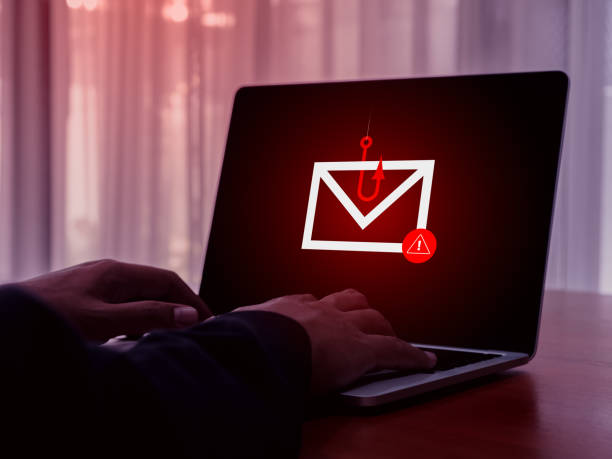
Every day, billions of emails travel across the internet. Most of them are harmless—messages from friends, family, coworkers, online stores, schools, or businesses. Hidden among them, however, are emails designed to deceive. These messages may appear trustworthy at first glance, but their true purpose is to steal personal information, passwords, financial details, or even gain access to your devices.
This type of online scam is known as phishing. It is one of the oldest and most successful forms of cybercrime, and despite advances in cybersecurity, phishing continues to fool millions of people every year. The reason is simple: phishing attacks do not primarily target computers—they target human trust.
Learning how to recognize phishing emails is one of the most effective ways to protect yourself online. Whether you use email for work, school, shopping, banking, or simply keeping in touch with loved ones, understanding the warning signs can prevent identity theft, financial loss, and data breaches.
What Is a Phishing Email?
A phishing email is a fraudulent message created to trick the recipient into revealing sensitive information or performing an action that benefits cybercriminals.
The email often pretends to come from a trusted organization such as a bank, a government agency, an online retailer, a social media platform, a delivery company, or even your employer. Its goal is usually to convince you to click a malicious link, download an infected attachment, share passwords, or provide financial information.
Unlike traditional computer attacks that rely on technical vulnerabilities, phishing relies on social engineering—the psychological manipulation of people into making mistakes.
Why Phishing Emails Are So Effective
Phishing emails succeed because they exploit normal human emotions rather than weaknesses in software.
People naturally trust familiar company names and recognizable logos. They also tend to react quickly when they believe something important requires immediate attention. Cybercriminals understand this behavior and design their emails to trigger feelings such as urgency, curiosity, fear, excitement, or even gratitude.
For example, an email might claim that your bank account has been locked, your package cannot be delivered, or you have won an unexpected prize. In each case, the attacker hopes you will react emotionally instead of carefully examining the message.
The more convincing the email appears, the more likely someone is to fall for it.
Understanding the Goal of Phishing
Although phishing emails vary widely, they generally aim to accomplish one or more objectives.
Some attempt to steal usernames and passwords by directing victims to fake login pages.
Others seek credit card numbers, banking information, or personal identification details.
Certain phishing emails encourage recipients to install malware by opening attachments or downloading files.
More sophisticated attacks may try to gain access to an organization’s computer network, leading to ransomware attacks or large-scale data theft.
Regardless of the specific method, the underlying objective is almost always unauthorized access to valuable information.
Unexpected Emails Deserve Extra Attention
One of the first warning signs is receiving an unexpected email that demands action.
If you were not expecting a message from a company, financial institution, or government agency, pause before interacting with it.
Legitimate organizations may occasionally send unexpected emails, but important requests should always be verified independently.
Receiving an unexpected email does not automatically mean it is fraudulent, but it should encourage careful examination.
Check the Sender’s Email Address Carefully
Many phishing emails imitate well-known companies by using sender addresses that look almost genuine.
At first glance, the address may appear legitimate. However, closer inspection often reveals subtle differences.
A single misplaced letter, an unusual domain name, additional numbers, or extra words may indicate that the email was not sent by the organization it claims to represent.
For example, replacing one letter with a visually similar character or using a slightly altered domain name is a common phishing technique.
Instead of trusting the display name alone, examine the complete email address.
Be Wary of Urgent or Threatening Language
Phishing emails frequently create a false sense of urgency.
The message may claim that your account will be suspended within hours, your payment has failed, your password must be reset immediately, or legal action will occur unless you respond.
This pressure is intentional.
Cybercriminals know that rushed decisions often bypass careful thinking.
Legitimate organizations usually provide reasonable time to resolve issues and rarely threaten customers through a single unexpected email.
Whenever an email pressures you to act immediately, take time to verify its authenticity.
Watch for Requests for Personal Information
A trustworthy company rarely asks customers to send sensitive information through email.
Passwords, credit card numbers, Social Security numbers, bank account details, security codes, and verification codes should never be shared simply because an email requests them.
Even if the message appears official, sensitive information should only be entered through trusted websites that you access independently.
If an email asks for confidential information, treat it with extreme caution.
Examine Links Before Clicking
One of the most dangerous elements of a phishing email is the embedded link.
The visible text may appear safe while directing users to an entirely different website.
Before clicking any link, carefully inspect where it leads.
On many computers, placing the mouse pointer over a link reveals its destination without opening it.
On mobile devices, holding the link may display the web address before opening it.
If the destination appears unrelated, contains strange spelling, or looks suspicious, avoid clicking it.
Instead of following the email link, manually type the organization’s official website into your web browser.
Look Closely at the Website Address
Even after clicking a link, the website itself may reveal signs of fraud.
Phishing websites often imitate legitimate login pages with remarkable accuracy.
However, the website address may contain subtle misspellings, additional words, unexpected characters, or unfamiliar domains.
A convincing-looking page is not enough.
Always verify that the website address matches the official domain of the organization before entering any personal information.
Poor Grammar Does Not Always Mean Safe or Dangerous
Years ago, phishing emails often contained obvious spelling mistakes and awkward grammar.
Today, many attackers use advanced writing tools that produce polished and professional-looking messages.
As a result, grammatical quality alone is no longer a reliable indicator.
Some phishing emails remain poorly written, while others are nearly indistinguishable from legitimate business communications.
Instead of focusing only on grammar, evaluate the overall message carefully.
Generic Greetings Can Be a Warning Sign
Legitimate companies often personalize emails using your name.
Phishing emails frequently use generic greetings such as “Dear Customer,” “Valued User,” or “Dear Account Holder.”
While not every generic greeting indicates fraud, it can be another clue that deserves attention.
When combined with other suspicious characteristics, generic greetings become more significant.
Unexpected Attachments Can Be Dangerous
Many phishing attacks use email attachments to distribute malicious software.
These attachments may appear to be invoices, tax forms, receipts, shipping notices, resumes, or official documents.
Opening certain attachments can install malware without your knowledge, depending on the file type and your system’s security.
If you receive an attachment you were not expecting, especially from an unknown sender, avoid opening it until you verify its legitimacy.
Offers That Seem Too Good to Be True Usually Are
Human curiosity is a powerful tool for cybercriminals.
Some phishing emails promise expensive prizes, large cash rewards, cryptocurrency giveaways, investment opportunities, or exclusive discounts.
These offers are designed to encourage quick action before careful thinking.
If an unexpected email promises something extraordinary for little or no effort, skepticism is appropriate.
Legitimate promotions usually come through official channels and include verifiable information.
Fake Invoices and Payment Requests
Businesses and individuals increasingly receive phishing emails disguised as invoices.
The message may claim that payment is overdue or that a recent purchase requires confirmation.
Some emails even include realistic-looking invoice numbers and company logos.
Before paying any invoice received by email, verify it through independent communication with the company or by checking your official account on its website.
Delivery Notification Scams
Online shopping has created new opportunities for phishing attacks.
Fake delivery notifications may claim that a package is delayed, customs fees must be paid, or your address requires confirmation.
Even people who have recently placed online orders may receive convincing fraudulent delivery emails.
Instead of clicking links in these messages, visit the delivery company’s official website directly and enter your tracking number manually.
Banking and Financial Phishing
Banks are frequent targets of phishing campaigns because financial information has obvious value.
A phishing email may claim that suspicious activity has been detected on your account or that immediate verification is required.
Rather than clicking the provided link, close the email and access your bank’s website independently through your browser or official mobile app.
If you remain uncertain, contact your bank using its publicly listed customer service number.
Social Media Phishing
Social media platforms are another common target.
Attackers may claim that your account violated community guidelines, someone attempted to log in, or your password has expired.
These messages often direct users to fake login pages designed to steal credentials.
Whenever possible, open the social media platform directly instead of using links from unexpected emails.
Business Email Compromise
Not all phishing attacks target individuals.
Organizations increasingly face sophisticated phishing campaigns known as business email compromise.
Attackers may impersonate executives, coworkers, suppliers, or trusted partners.
These emails often request urgent money transfers, confidential documents, or changes to payment information.
Because these attacks rely heavily on trust, businesses often establish verification procedures before approving important financial transactions.
Spear Phishing
Some phishing attacks are highly personalized.
This approach, called spear phishing, targets specific individuals rather than sending identical emails to thousands of recipients.
Attackers may include your name, job title, workplace, or recent activities gathered from publicly available information.
Because these messages appear more personal, they can be especially convincing.
Even personalized emails should be evaluated carefully before responding.
Whaling Attacks
A specialized form of spear phishing known as whaling targets senior executives, government officials, and other high-profile individuals.
These attacks often involve extensive research and carefully crafted messages.
Because executives may have access to valuable information and financial authority, successful whaling attacks can have serious consequences for entire organizations.
Artificial Intelligence and Modern Phishing
Artificial intelligence has changed both cybersecurity and cybercrime.
Some attackers now use AI tools to create more convincing emails with improved grammar, realistic language, and personalized content.
At the same time, cybersecurity companies also use AI to detect suspicious patterns, identify malicious emails, and improve spam filtering.
This ongoing competition means that human awareness remains one of the strongest defenses against phishing.
How Email Providers Help Protect Users
Modern email services include multiple security technologies.
Spam filters identify suspicious messages before they reach your inbox.
Machine learning systems analyze billions of emails to detect phishing patterns.
Authentication technologies such as SPF, DKIM, and DMARC help verify whether an email actually originated from the domain it claims to represent.
Although these systems block enormous numbers of phishing attempts, no technology is perfect.
Some malicious emails still reach users, making personal vigilance essential.
The Importance of Multi-Factor Authentication
Even careful people occasionally make mistakes.
One of the best ways to reduce the damage from stolen passwords is multi-factor authentication (MFA).
MFA requires an additional form of verification beyond your password, such as a temporary code generated by an authentication app, a hardware security key, or biometric authentication.
If an attacker steals your password through phishing, MFA can often prevent unauthorized access.
What to Do If You Suspect a Phishing Email
If an email appears suspicious, avoid clicking links or opening attachments.
Do not reply to the message.
Instead, verify the information independently by contacting the organization through its official website, customer support number, or mobile app.
Many companies also provide dedicated email addresses where customers can report suspected phishing attempts.
Reporting phishing emails helps improve security systems and protects other users.
What If You Accidentally Clicked?
Accidentally clicking a suspicious link does not always mean your information has been stolen.
If you entered login credentials on a suspicious website, immediately change your password using the official website—not the one linked in the email.
If you reused that password on other accounts, change those passwords as well.
Enable multi-factor authentication wherever possible.
If financial information may have been exposed, contact your bank or payment provider promptly so they can monitor or secure your accounts.
Running a reputable antivirus or anti-malware scan is also a sensible precaution if you downloaded or opened a suspicious file.
Why Education Is the Best Defense
Cybersecurity technology continues to improve, but education remains one of the most powerful defenses against phishing.
The more people understand how phishing works, the less effective these scams become.
Children, adults, older adults, students, employees, and business leaders all benefit from learning to recognize suspicious emails before taking action.
Cybercriminals constantly adapt their techniques, making ongoing awareness essential.
The Future of Phishing
Phishing attacks will likely continue evolving as technology advances.
Artificial intelligence may enable attackers to create increasingly personalized and convincing emails, while cybersecurity systems will become better at detecting fraud through behavioral analysis, machine learning, and stronger authentication methods.
Despite these technological changes, the basic principle of phishing is unlikely to change. It will continue to rely on exploiting trust, curiosity, fear, and urgency.
For that reason, careful thinking remains one of the strongest forms of cybersecurity.
Conclusion
Phishing emails are designed to look convincing, but they often leave clues that reveal their true purpose. Unexpected requests, urgent language, suspicious sender addresses, unusual links, generic greetings, requests for sensitive information, and unexpected attachments should all encourage caution.
The safest habit is simple: never rush. Take a moment to examine the email, verify the sender through trusted channels, and think critically before clicking links or sharing personal information.
Technology provides powerful tools to fight phishing, but informed users remain the most effective defense. By learning how phishing emails work and recognizing their warning signs, you can greatly reduce your risk of becoming a victim and help create a safer digital world for everyone.