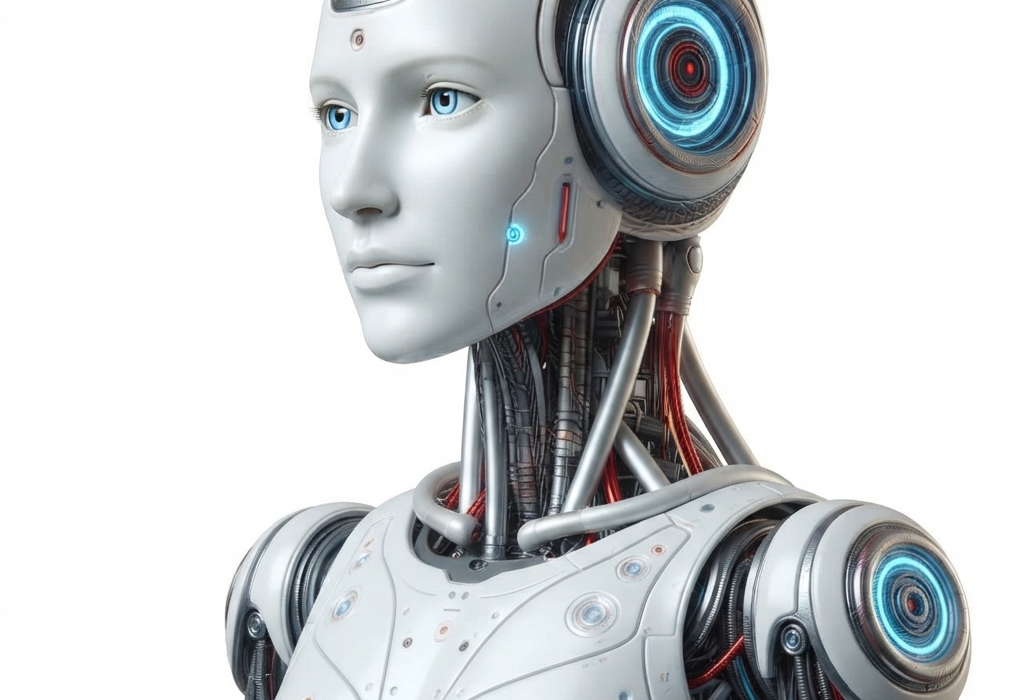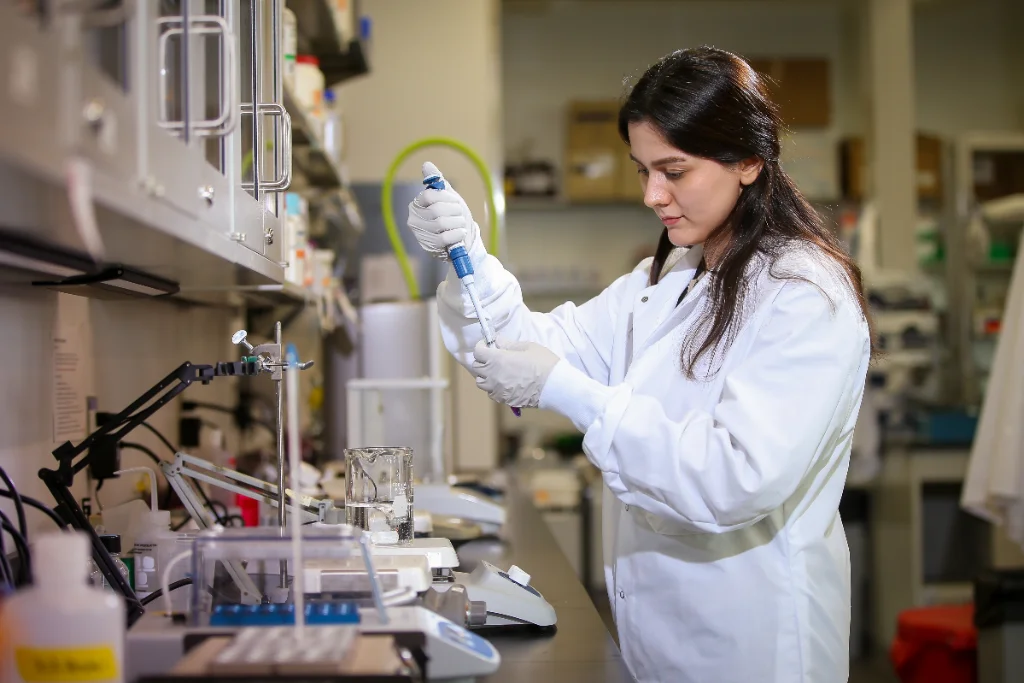
Imagine a world where damaged organs can be replaced with lab-grown tissues, tiny devices inside the body continuously monitor your health, artificial limbs move as naturally as real ones, and life-saving medicines are designed with incredible precision. These ideas may sound like science fiction, but many of them are already becoming reality thanks to bioengineering.
Bioengineering is one of the most exciting and rapidly evolving fields of modern science. It brings together the principles of biology, engineering, physics, chemistry, mathematics, and computer science to solve problems involving living organisms and human health. By combining knowledge from these different disciplines, bioengineers develop innovative technologies that improve medicine, agriculture, environmental sustainability, and countless other aspects of everyday life.
Unlike traditional engineering, which often focuses on machines, buildings, or electronic systems, bioengineering works with living systems. It seeks to understand how nature functions and then applies engineering principles to design tools, devices, materials, and technologies that benefit people and the planet.
Today, bioengineering is transforming healthcare, enabling breakthroughs that were unimaginable only a few decades ago. From advanced prosthetic limbs controlled by the brain to artificial organs and personalized medical treatments, bioengineering is helping reshape the future of medicine while also contributing to cleaner environments, more productive agriculture, and sustainable industries.
Understanding Bioengineering
Bioengineering is the application of engineering principles to biological systems. It involves designing solutions that interact with or are inspired by living organisms.
At its core, bioengineering asks an important question: How can we use our understanding of biology to create technologies that improve life?
To answer this question, bioengineers study everything from individual molecules and cells to entire organs, ecosystems, and even populations. They combine scientific knowledge with engineering design to create practical solutions for real-world challenges.
For example, understanding how the human heart pumps blood has helped engineers develop artificial heart valves and ventricular assist devices. Studying the structure of bones has inspired stronger yet lighter materials for medical implants. Learning how bacteria produce useful molecules has allowed scientists to manufacture important medicines more efficiently.
Bioengineering is therefore not just about studying life—it is about applying that knowledge to solve problems.
The Difference Between Bioengineering and Biomedical Engineering
The terms bioengineering and biomedical engineering are often used interchangeably, but they are not exactly the same.
Biomedical engineering focuses primarily on healthcare and medicine. Biomedical engineers develop medical devices, diagnostic equipment, imaging systems, prosthetics, and technologies used in hospitals and clinics.
Bioengineering is broader. It includes biomedical engineering but also extends into agriculture, environmental science, industrial biotechnology, synthetic biology, food production, and many other areas involving living systems.
In simple terms, every biomedical engineer is a bioengineer, but not every bioengineer works exclusively in medicine.
The History of Bioengineering
Although bioengineering is considered a modern scientific field, its roots stretch back much further.
Humans have long used biological knowledge to improve life. Ancient civilizations selectively bred plants and animals to produce better crops and livestock. Fermentation techniques allowed people to make bread, cheese, yogurt, and beverages long before microbes were understood.
Modern bioengineering began to emerge during the twentieth century as engineering and biological sciences became increasingly connected.
The invention of medical imaging technologies such as X-rays and ultrasound revolutionized healthcare. Advances in electronics led to heart pacemakers and hearing aids. Developments in molecular biology and genetics opened entirely new possibilities for designing biological systems.
Today, powerful computers, artificial intelligence, genome sequencing, robotics, and advanced materials are driving bioengineering into an exciting new era.
The Scientific Foundation of Bioengineering
Bioengineering stands on the foundation of several scientific disciplines working together.
Biology provides an understanding of living organisms, including cells, tissues, organs, genetics, and ecosystems.
Engineering contributes systematic design methods, problem-solving techniques, and technological innovation.
Chemistry explains molecular interactions that occur inside living organisms.
Physics helps describe forces, energy, mechanics, electricity, fluid flow, and imaging technologies.
Mathematics allows scientists to model biological processes and analyze large datasets.
Computer science enables simulations, artificial intelligence, machine learning, and sophisticated medical software.
By integrating these disciplines, bioengineering creates solutions that no single field could achieve alone.
Bioengineering and the Human Body
One of bioengineering’s greatest achievements is improving human health.
The human body is an incredibly complex biological system containing trillions of cells working together. When disease, injury, or aging disrupts these systems, bioengineering offers new ways to restore normal function.
Scientists design artificial joints to replace damaged hips and knees. Engineers create advanced prosthetic limbs that respond to muscle signals. Researchers develop implantable devices that regulate heart rhythms or deliver medications automatically.
Many of these technologies are designed to work safely inside the body while minimizing discomfort and improving patients’ quality of life.
Medical Devices That Save Lives
Modern hospitals rely heavily on bioengineered technologies.
Heart pacemakers help regulate abnormal heartbeats.
Artificial heart valves restore proper blood flow.
Insulin pumps continuously deliver insulin to people with diabetes.
Dialysis machines perform the work of failing kidneys by filtering waste from the blood.
Ventilators assist patients who cannot breathe adequately on their own.
Defibrillators deliver controlled electrical shocks to restore normal heart rhythms during life-threatening emergencies.
These devices represent decades of collaboration between engineers, physicians, and scientists.
Medical Imaging
One of bioengineering’s greatest contributions is allowing doctors to see inside the body without surgery.
Medical imaging technologies provide detailed information about bones, muscles, organs, blood vessels, and even brain activity.
X-rays use electromagnetic radiation to visualize dense structures such as bones.
Computed Tomography (CT) combines multiple X-ray images to create detailed cross-sectional views.
Magnetic Resonance Imaging (MRI) uses strong magnetic fields and radio waves to produce highly detailed images of soft tissues.
Ultrasound uses high-frequency sound waves to examine developing babies during pregnancy and diagnose many medical conditions.
Positron Emission Tomography (PET) helps doctors study metabolic activity and detect diseases such as cancer.
These technologies have dramatically improved diagnosis while reducing the need for invasive procedures.
Tissue Engineering
One of the most promising branches of bioengineering is tissue engineering.
Instead of replacing damaged organs with donated ones, scientists are learning how to grow new tissues using living cells.
Researchers combine cells with specially designed materials known as scaffolds. These scaffolds provide structural support while new tissue develops.
Scientists have successfully engineered skin for burn victims, cartilage for damaged joints, and blood vessels for medical treatments.
Research continues toward creating more complex organs such as kidneys, livers, and hearts, although producing fully functional organs suitable for widespread transplantation remains an ongoing scientific challenge.
Regenerative Medicine
Closely related to tissue engineering is regenerative medicine, which focuses on helping the body repair itself.
Rather than simply treating symptoms, regenerative medicine seeks to restore damaged tissues by stimulating natural healing processes.
Stem cells play an important role because they can develop into many different cell types under the right conditions.
Scientists are investigating how stem cells may help repair damaged heart tissue, restore nerve function after injuries, improve wound healing, and treat certain degenerative diseases.
Although many regenerative therapies remain under investigation, this field holds enormous promise for future medicine.
Prosthetics That Feel More Natural
Modern prosthetic limbs are far more advanced than the simple artificial limbs used in the past.
Bioengineers design prosthetics using lightweight materials, sophisticated sensors, robotics, and computer algorithms.
Some advanced prosthetic arms can respond to electrical signals generated by the user’s muscles, allowing more natural movement.
Researchers are also exploring systems that provide sensory feedback, helping users better perceive touch and movement.
These innovations continue improving independence and quality of life for people who have lost limbs.
Bioengineering and Artificial Organs
Organ transplantation has saved countless lives, but donor organs remain limited.
Bioengineers are working to develop artificial organs that can temporarily or permanently replace failing biological organs.
Artificial hearts, ventricular assist devices, artificial pancreases, and advanced dialysis systems already help many patients.
Scientists continue researching technologies that may eventually provide engineered replacements for more complex organs.
Although significant challenges remain, advances in materials science, cell biology, and engineering continue moving the field forward.
Drug Delivery Systems
Taking medicine is not always as simple as swallowing a pill.
Some medications must reach very specific parts of the body while avoiding healthy tissues.
Bioengineers design drug delivery systems that release medicines at controlled rates or deliver them directly to targeted locations.
Tiny biodegradable particles, specialized coatings, implantable devices, and injectable materials help improve treatment while reducing unwanted side effects.
These technologies are particularly valuable in cancer therapy, where precise drug delivery can improve effectiveness while minimizing damage to healthy cells.
Biomaterials
Bioengineering relies heavily on biomaterials—materials designed to interact safely with living tissues.
These materials must be compatible with the human body and avoid triggering harmful immune responses.
Biomaterials are used in artificial joints, dental implants, heart valves, surgical sutures, contact lenses, bone replacements, and many other medical applications.
Some biomaterials gradually dissolve after completing their purpose, while others remain functional for decades.
Researchers continue developing smarter biomaterials that respond to changes inside the body or promote natural healing.
Genetic Engineering
Genetic engineering is another important area connected with bioengineering.
Every living organism contains DNA, which stores the instructions needed for growth, development, and normal function.
Scientists can now modify DNA in controlled ways to study genes, improve crops, produce medicines, and investigate potential treatments for certain genetic diseases.
One powerful technology is CRISPR, a genome-editing tool that allows scientists to make highly targeted changes to DNA.
Researchers continue exploring its medical applications while carefully considering important ethical, safety, and regulatory issues.
Synthetic Biology
Synthetic biology combines biology and engineering in a particularly creative way.
Instead of only studying natural organisms, scientists design new biological systems with specific functions.
Researchers may engineer bacteria that produce medicines, manufacture biodegradable materials, detect environmental pollution, or generate renewable chemicals.
Synthetic biology treats living cells almost like programmable systems, although biological complexity makes this far more challenging than traditional engineering.
The field continues expanding rapidly while emphasizing responsible research and careful oversight.
Bioengineering in Agriculture
Bioengineering also contributes to agriculture.
Scientists develop crops that resist diseases, tolerate drought, require fewer pesticides, or produce higher yields.
Engineers design precision farming technologies that monitor soil conditions, optimize irrigation, and improve resource efficiency.
Biotechnology also supports livestock health, disease detection, and sustainable food production.
As the world’s population continues growing, bioengineering may help improve food security while reducing environmental impacts.
Environmental Bioengineering
Environmental challenges have become one of humanity’s greatest concerns.
Bioengineering offers innovative solutions for protecting ecosystems and reducing pollution.
Scientists use microorganisms to break down oil spills, remove toxic chemicals, clean contaminated groundwater, and treat wastewater.
Some engineered biological systems capture carbon dioxide or convert waste into useful products.
These technologies demonstrate how biological processes can support environmental sustainability.
Industrial Biotechnology
Many industries now rely on biological processes rather than traditional chemical manufacturing.
Microorganisms can produce enzymes, vitamins, biofuels, biodegradable plastics, pharmaceuticals, and industrial chemicals.
Compared with conventional manufacturing, biological production often requires less energy and generates fewer harmful by-products.
Industrial biotechnology therefore contributes to both economic development and environmental protection.
Artificial Intelligence and Bioengineering
Artificial intelligence has become an increasingly valuable partner in bioengineering.
Machine learning algorithms analyze enormous medical datasets, identify disease patterns, assist in medical imaging, and accelerate drug discovery.
AI also helps researchers design proteins, predict molecular interactions, optimize medical devices, and personalize treatments.
Rather than replacing scientists or healthcare professionals, artificial intelligence serves as a powerful tool that enhances research and clinical decision-making.
Bioengineering and Personalized Medicine
Not every patient responds to treatment in the same way.
Differences in genetics, lifestyle, age, and health conditions influence how diseases develop and how medicines work.
Bioengineering supports personalized medicine, an approach that tailors healthcare to individual patients.
Genetic testing, advanced diagnostics, and computational modeling help physicians choose treatments that are more likely to be effective for specific individuals.
As scientific understanding grows, personalized medicine is expected to become increasingly important in healthcare.
Ethics in Bioengineering
Because bioengineering directly affects living organisms, ethical considerations play a central role.
Scientists carefully evaluate questions involving patient safety, privacy, fairness, environmental impact, genetic modification, and responsible research.
New technologies must undergo rigorous testing before they become widely available.
Ethical review boards, regulatory agencies, healthcare professionals, and researchers work together to ensure that innovations are both scientifically sound and socially responsible.
Responsible bioengineering balances technological progress with respect for human rights, animal welfare, and environmental sustainability.
Challenges Facing Bioengineering
Despite remarkable achievements, bioengineering faces significant challenges.
Living systems are extraordinarily complex and often respond unpredictably.
Developing new medical devices requires years of research, laboratory testing, clinical trials, and regulatory approval.
Advanced treatments may also be expensive, limiting access for some patients.
Scientists continue working to improve safety, reduce costs, enhance reliability, and make bioengineering innovations available to more people around the world.
Careers in Bioengineering
Bioengineers work in a wide variety of settings.
Some conduct research in universities and laboratories.
Others develop medical devices for healthcare companies.
Many work in pharmaceutical research, biotechnology, agriculture, environmental engineering, robotics, artificial intelligence, or government agencies.
Their work often involves collaboration with physicians, biologists, chemists, software developers, physicists, and materials scientists.
This interdisciplinary nature makes bioengineering one of the most diverse scientific careers.
The Future of Bioengineering
The future of bioengineering promises extraordinary possibilities.
Researchers are exploring organs grown from a patient’s own cells, smarter medical implants that continuously monitor health, wearable technologies that detect disease before symptoms appear, biodegradable materials that replace conventional plastics, and advanced gene therapies for inherited disorders.
Scientists are also developing bioinspired robots, engineered microorganisms that produce sustainable fuels, and sophisticated computer models that simulate human organs for research and drug testing.
Although many of these technologies remain under development, steady scientific progress continues bringing them closer to reality.
As knowledge expands and technologies improve, bioengineering will likely play an increasingly important role in addressing some of humanity’s greatest challenges, including disease, food security, environmental sustainability, and healthy aging.
Why Bioengineering Matters
Bioengineering is much more than the combination of biology and engineering. It represents a powerful way of understanding life and applying that knowledge to improve the world. By merging scientific discovery with technological innovation, bioengineering has transformed medicine, strengthened agriculture, supported environmental protection, and expanded our ability to solve complex biological problems.
Every artificial joint that restores mobility, every medical imaging system that detects disease early, every engineered tissue that helps heal an injury, and every biotechnology process that produces life-saving medicines reflects the remarkable impact of bioengineering. These achievements are possible because scientists and engineers work together to understand living systems and design practical solutions based on evidence and careful experimentation.
As the world’s needs continue to evolve, bioengineering will remain at the forefront of scientific progress. It offers hope for healthier lives, more sustainable technologies, and a deeper understanding of the living world. By combining creativity, compassion, and scientific rigor, bioengineering continues to demonstrate how human innovation can work alongside nature to build a better future for generations to come.