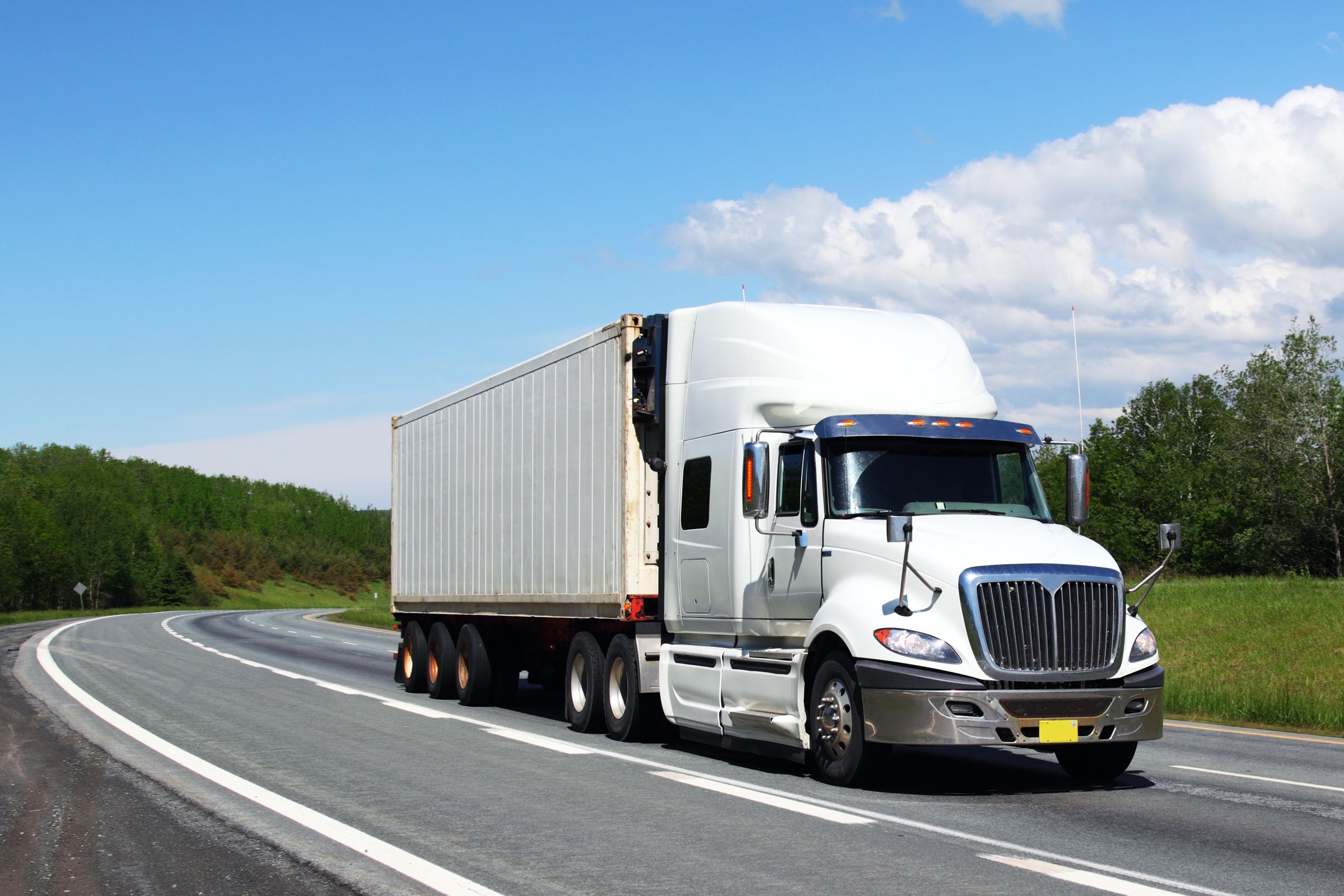
Every day, millions of trucks travel across highways carrying the goods that keep our world running. They deliver fresh food to supermarkets, medicines to hospitals, clothing to stores, and the countless products that arrive at our homes after we click the “buy” button online. Although most people rarely think about these trucks, they are the backbone of modern commerce.
Behind every shipment is a complex logistics network that depends on careful planning, skilled drivers, fuel, warehouses, and precise timing. As global trade continues to grow, this system faces increasing challenges. Roads become more crowded, delivery expectations become faster, transportation costs rise, and many countries experience shortages of professional truck drivers.
To address these challenges, engineers and technology companies are developing self-driving trucks—vehicles capable of navigating roads with little or no direct human control. These trucks are powered by advanced sensors, artificial intelligence, powerful computers, and sophisticated software that constantly analyze the surrounding environment.
Although fully autonomous trucking is still in the early stages of deployment, the technology has the potential to reshape logistics in profound ways. Understanding how these trucks work helps us appreciate both their exciting possibilities and the challenges that must still be overcome.
What Are Self-Driving Trucks?
A self-driving truck is a commercial vehicle equipped with technologies that allow it to perform many driving tasks automatically. Depending on its level of automation, the truck may assist a human driver or operate independently under specific conditions.
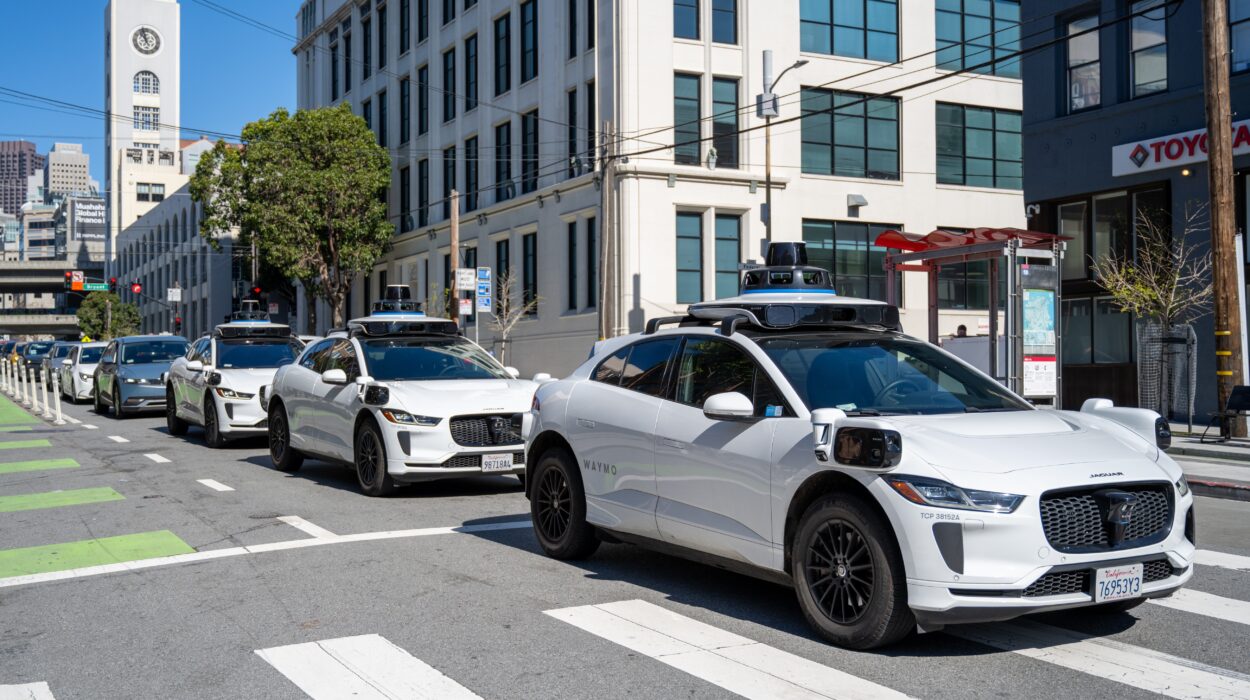
Like self-driving cars, autonomous trucks rely on a combination of sensors, cameras, radar, computers, and artificial intelligence to observe the road, identify obstacles, make driving decisions, and control steering, acceleration, and braking.
Not every self-driving truck is completely autonomous. Some systems are designed to assist drivers, while others are intended to handle long stretches of highway with minimal human involvement. The degree of automation depends on the technology and the regulations governing where the truck operates.
Why Logistics Needs Innovation
Modern logistics is one of the most complex systems ever created.
Every day, enormous quantities of goods move between factories, warehouses, ports, airports, distribution centers, and retail stores. Even a small delay at one point can affect many businesses and customers.
The rapid growth of online shopping has increased the demand for faster deliveries. Consumers now expect products to arrive within days or even hours after placing an order.
At the same time, transportation companies face rising fuel costs, increasing operational expenses, and shortages of qualified truck drivers in many parts of the world.
Self-driving trucks are being developed to improve efficiency while helping logistics systems manage these growing demands.
The Science Behind Self-Driving Trucks
Driving is a remarkably complex task.
A human driver constantly observes traffic, recognizes road signs, judges distances, predicts the behavior of other vehicles, responds to changing weather, and makes hundreds of decisions every minute.
Self-driving trucks attempt to perform these same tasks using advanced technology.
Their computers continuously collect information from multiple sensors, combine the data into a detailed understanding of the surrounding environment, predict what might happen next, and choose the safest action.
This process happens many times every second.
Seeing the Road with Cameras
High-resolution cameras serve as the truck’s eyes.
They capture detailed images of roads, traffic signals, lane markings, pedestrians, cyclists, vehicles, and construction zones.
Artificial intelligence analyzes these images to identify objects and determine their positions.
Unlike human drivers, the cameras never become distracted or look away from the road, although their performance can be affected by heavy rain, snow, fog, or poor lighting. For this reason, cameras are only one part of the truck’s sensing system.
Radar Helps Detect Objects
Radar works by sending out radio waves and measuring how they reflect from nearby objects.
It accurately measures the distance and speed of surrounding vehicles, even in conditions where cameras may struggle.
Because radar performs well in darkness, rain, and fog, it provides an important layer of safety.
Many autonomous trucks combine radar with other sensors to improve reliability.
LiDAR Creates a Three-Dimensional Map
Some autonomous trucks use a technology called LiDAR, which stands for Light Detection and Ranging.
LiDAR sends out millions of tiny laser pulses and measures how long they take to return after striking nearby objects.
Using this information, the truck creates an extremely detailed three-dimensional map of its surroundings.
This allows the vehicle to estimate distances with remarkable precision and recognize obstacles on the road.
Not every autonomous truck uses LiDAR, but it remains an important technology in many self-driving systems.
Artificial Intelligence Acts as the Driver’s Brain
Artificial intelligence is the decision-making system inside a self-driving truck.
It combines information from cameras, radar, LiDAR, GPS, and other sensors to understand the driving environment.
The AI identifies vehicles, traffic signs, lane boundaries, road hazards, pedestrians, animals, and changing traffic conditions.
It predicts how nearby vehicles are likely to move and decides when to accelerate, brake, change lanes, or slow down.
These decisions are made continuously, allowing the truck to react rapidly to changing situations.
However, today’s AI systems are designed to operate within specific conditions and are not yet capable of handling every possible situation a human driver might encounter.
GPS and Digital Maps Guide the Journey
Self-driving trucks also rely on satellite navigation and highly detailed digital maps.
Global Navigation Satellite Systems provide location information, while digital maps contain precise details about roads, lane layouts, intersections, speed limits, and other important features.
By combining GPS with onboard sensors, the truck can determine its position with much greater accuracy than using satellite signals alone.
This helps the vehicle navigate safely along planned routes.
Computers Process Enormous Amounts of Data
A self-driving truck generates an extraordinary amount of information.
Every second, its sensors collect data about surrounding traffic, road conditions, weather, vehicle speed, engine performance, and navigation.
Powerful onboard computers process this information almost instantly.
The software continuously updates its understanding of the environment and adjusts the truck’s behavior as conditions change.
This rapid processing allows autonomous systems to respond within fractions of a second.
Highway Driving Is Well Suited for Automation
Long-distance highway driving is considered one of the most promising applications for self-driving trucks.
Highways are generally more predictable than busy city streets.
Traffic flows in the same direction.
Intersections are relatively rare.
Pedestrians and cyclists are usually absent.
Road markings are often clearly visible.
These conditions make highway environments easier for autonomous systems to understand compared with crowded urban areas.
For this reason, many companies focus first on autonomous highway transportation before expanding to more complex city driving.
Improving Delivery Efficiency
One of the greatest advantages of self-driving trucks could be improved efficiency.
Autonomous systems can maintain consistent speeds, choose smoother acceleration patterns, and optimize routes using real-time traffic information.
Reducing unnecessary braking and acceleration can lower energy consumption and improve fuel efficiency.
Better route planning may also reduce travel times and improve delivery reliability.
As logistics companies become more efficient, products could move through supply chains more quickly.
Around-the-Clock Operation
Human drivers need regular rest to remain safe and comply with transportation regulations.
Autonomous systems could potentially allow trucks to operate for longer periods, depending on regulations, maintenance needs, charging or refueling requirements, and the specific level of automation.
This could reduce delivery times for long-distance freight and improve the overall productivity of logistics networks.
However, even highly automated vehicles will still require inspections, maintenance, and operational oversight.
Addressing Driver Shortages
Many countries face shortages of professional truck drivers.
As experienced drivers retire and freight demand continues to grow, transportation companies sometimes struggle to fill available positions.
Self-driving technology may help reduce some of these workforce pressures by automating certain driving tasks, particularly on long highway routes.
At the same time, new jobs may emerge in fleet supervision, remote assistance, vehicle maintenance, software development, cybersecurity, and autonomous system management.
Rather than eliminating every transportation job, automation is likely to change the types of skills needed within the logistics industry.
Enhancing Road Safety
Human error contributes to many road accidents.
Fatigue, distraction, speeding, and impaired driving are among the common causes.
Autonomous trucks do not become sleepy, send text messages, or lose concentration in the way humans can.
Their sensors monitor the road continuously, and their computers react rapidly to changing conditions.
However, autonomous systems are not perfect. Engineers continue working to improve their ability to recognize unusual situations, operate safely during severe weather, and respond appropriately to unpredictable human behavior.
Safety remains the highest priority in the development of self-driving trucks.
Fuel Efficiency and Environmental Benefits
Efficient driving can reduce fuel consumption.
Autonomous systems may maintain smoother speeds, avoid unnecessary acceleration, and choose routes that reduce delays.
When combined with electric trucks or other low-emission technologies, autonomous driving could help reduce greenhouse gas emissions from freight transportation.
The overall environmental impact will depend on many factors, including vehicle design, energy sources, manufacturing processes, and how efficiently logistics networks operate.
Communication Between Vehicles
Future autonomous trucks may communicate directly with one another using wireless technologies.
This communication can allow vehicles to share information about traffic conditions, road hazards, weather, and sudden braking.
Some researchers are exploring truck platooning, where multiple trucks travel closely together in coordinated formations.
By reducing aerodynamic drag, platooning can improve fuel efficiency while maintaining safe control through electronic communication.
Although promising, such systems require reliable communication and careful regulation.
Challenges in Bad Weather
Driving becomes much more difficult during heavy rain, snow, fog, or dust storms.
Water droplets, snowflakes, and reduced visibility can affect cameras and some laser-based sensors.
Road markings may become difficult to detect.
Slippery roads also change vehicle handling.
Engineers are developing more robust sensing systems capable of combining information from multiple technologies so that trucks can continue operating safely under a wide range of environmental conditions.
Cybersecurity Is Essential
Because autonomous trucks rely heavily on computers and communication networks, protecting them from cyber threats is extremely important.
Manufacturers develop multiple layers of digital security to protect vehicle software, communication systems, and navigation data.
Regular software updates, encryption, secure communication protocols, and continuous monitoring all play important roles in reducing cybersecurity risks.
Ensuring the digital safety of autonomous vehicles is just as important as ensuring their mechanical safety.
Legal and Ethical Questions
Introducing self-driving trucks raises important legal and ethical questions.
Who is responsible if an autonomous truck is involved in a collision?
How should safety standards be evaluated?
What level of testing should be required before commercial deployment?
Governments, engineers, transportation companies, and legal experts are working together to develop regulations that balance innovation with public safety.
As technology advances, laws will continue evolving alongside it.
How Warehouses Could Benefit
The impact of autonomous trucks extends beyond highways.
Warehouses may become more efficient through closer coordination between autonomous vehicles and automated loading systems.
Arrival times could become more predictable, allowing warehouses to schedule loading and unloading more efficiently.
Digital communication between trucks and logistics centers could reduce waiting times and improve inventory management.
Together, these improvements may create faster and more reliable supply chains.
The Future of Freight Transportation
The future logistics network will likely combine multiple advanced technologies.
Electric trucks may reduce emissions.
Artificial intelligence may optimize delivery routes.
Robotics may automate warehouse operations.
Autonomous trucks may transport goods over long distances.
Real-time data systems may coordinate every stage of the supply chain.
Rather than replacing every human worker, future logistics systems will probably involve close collaboration between people and intelligent machines.
Human expertise will continue to play an important role in supervising operations, solving unexpected problems, maintaining equipment, and making strategic decisions.
Are Self-Driving Trucks Already on the Road?
Yes, but only in limited ways.
Several companies have successfully tested autonomous trucks on public roads under carefully controlled conditions and in accordance with local regulations. Some commercial operations already use advanced driver-assistance or partially automated systems on certain routes.
However, fully autonomous trucking without human oversight is not yet common. Extensive testing, safety validation, regulatory approval, and public acceptance are still required before these vehicles become a routine part of global freight transportation.
Conclusion
Self-driving trucks represent one of the most significant technological developments in modern logistics. By combining artificial intelligence, advanced sensors, powerful computers, satellite navigation, and sophisticated software, these vehicles have the potential to make freight transportation safer, more efficient, and more reliable. They could shorten delivery times, improve fuel efficiency, support growing supply chains, and help address driver shortages while working alongside human expertise.
Although important technical, legal, environmental, and safety challenges remain, progress continues steadily. As technology matures and regulations evolve, self-driving trucks may transform the way goods move around the world. In the years ahead, the trucks carrying food, medicine, electronics, and everyday products may not only travel our highways—they may also demonstrate how science and engineering are reshaping the future of global logistics.