Just a few decades ago, the idea of machines understanding language, recognizing faces, creating artwork, writing computer code, or helping doctors diagnose diseases seemed like science fiction. Today, these capabilities are becoming part of everyday life. Artificial intelligence, commonly known as AI, is transforming how people work, learn, communicate, travel, create, and solve problems.
From smartphones that understand voice commands to self-driving vehicle research, from personalized movie recommendations to powerful scientific discoveries, AI is rapidly changing the technological landscape. It is no longer simply another innovation—it has become one of the most influential technologies of the twenty-first century.
As AI continues to evolve, it is reshaping industries, accelerating scientific research, and opening possibilities that were once beyond imagination. At the same time, it raises important questions about ethics, privacy, employment, and the relationship between humans and intelligent machines.
Understanding how AI is shaping the future of technology helps us better prepare for a world where humans and intelligent systems increasingly work together.
What Is Artificial Intelligence?
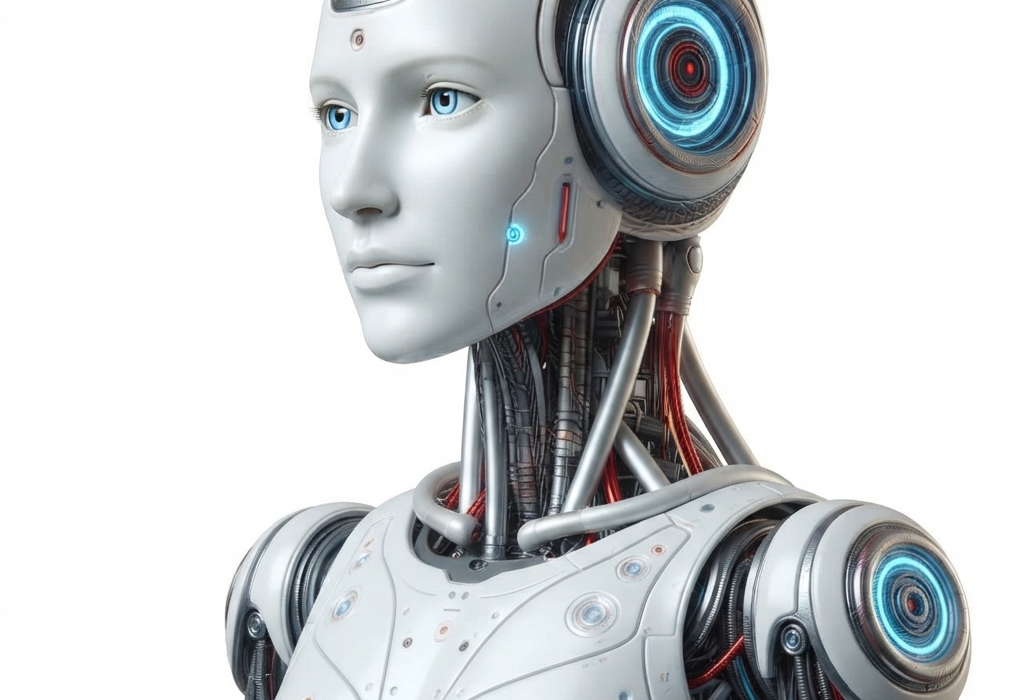
Artificial intelligence is a branch of computer science focused on developing systems that can perform tasks that normally require human intelligence. These tasks include recognizing speech, understanding language, identifying objects in images, making predictions, learning from experience, solving problems, and making decisions.
Unlike traditional computer programs that follow fixed instructions, many modern AI systems can improve their performance by learning from data. This approach is known as machine learning, one of the most important areas of AI.
A more specialized field, called deep learning, uses artificial neural networks inspired by the structure of the human brain. These networks can recognize complex patterns in enormous amounts of data, making possible technologies such as image recognition, language translation, and advanced voice assistants.
Although AI can perform impressive tasks, today’s systems are designed for specific purposes. They do not possess human consciousness, emotions, or general understanding of the world.
Why AI Has Advanced So Rapidly
Several factors have contributed to the remarkable growth of AI in recent years.
Modern computers are vastly more powerful than those available just a decade ago. High-performance processors allow AI systems to analyze enormous datasets much faster than ever before.
The internet has also created unprecedented amounts of digital information. Every day, billions of photos, videos, scientific papers, medical records, weather observations, and online interactions generate data that can be used to train AI models.
Advances in machine learning algorithms have further improved AI’s ability to recognize patterns, make predictions, and solve increasingly complex problems.
Cloud computing has made powerful computing resources accessible to businesses, researchers, and developers around the world, allowing AI innovation to spread more quickly.
Together, these developments have accelerated AI research at an extraordinary pace.
AI Is Transforming Everyday Technology
Many people use artificial intelligence every day without even realizing it.
Smartphones use AI to recognize faces for secure unlocking, improve photographs, suggest replies to messages, and provide voice assistants that understand spoken language.
Streaming platforms recommend movies and music based on viewing habits.
Navigation apps analyze traffic conditions to suggest the fastest routes.
Email services automatically filter spam messages.
Online stores recommend products based on previous purchases and browsing behavior.
Search engines use AI to understand what users are looking for and deliver more relevant results.
These technologies make daily life more convenient while continuously improving through learning from new data.
Smarter Computers and Digital Assistants
One of the most visible applications of AI is the rise of intelligent digital assistants.
Modern AI assistants can answer questions, summarize information, translate languages, schedule appointments, write documents, generate computer code, and assist with creative projects.
Natural language processing allows computers to understand and generate human language with increasing accuracy.
As these systems continue to improve, they are becoming valuable tools for students, professionals, researchers, and businesses.
Rather than replacing human intelligence, these assistants often enhance productivity by handling repetitive tasks and providing quick access to information.
AI Is Revolutionizing Healthcare
Healthcare is one of the fields experiencing profound changes through AI.
Medical imaging systems can help identify patterns in X-rays, CT scans, and MRI images that may indicate disease. AI assists radiologists by highlighting areas that deserve closer examination, although final medical decisions remain the responsibility of trained healthcare professionals.
Researchers also use AI to analyze genetic information, identify potential drug candidates, and accelerate medical research.
Hospitals employ AI to optimize patient scheduling, manage resources, and improve administrative efficiency.
Wearable devices use AI to monitor heart rate, sleep patterns, physical activity, and other health indicators, helping people better understand their overall well-being.
Although AI supports healthcare professionals in many ways, it is generally intended to complement—not replace—clinical expertise.
AI and Scientific Discovery
Artificial intelligence is becoming an important partner in scientific research.
Scientists use AI to analyze enormous datasets that would take humans years to examine manually.
Astronomers use AI to identify distant galaxies, detect exoplanets, and classify celestial objects from telescope observations.
Climate researchers analyze complex environmental data to improve climate models and better understand Earth’s changing systems.
Biologists use AI to study protein structures, genetics, and ecosystems.
Chemists employ AI to predict molecular behavior and explore new materials.
These applications allow researchers to focus more on interpreting discoveries while AI assists with large-scale data analysis.
The Future of Transportation
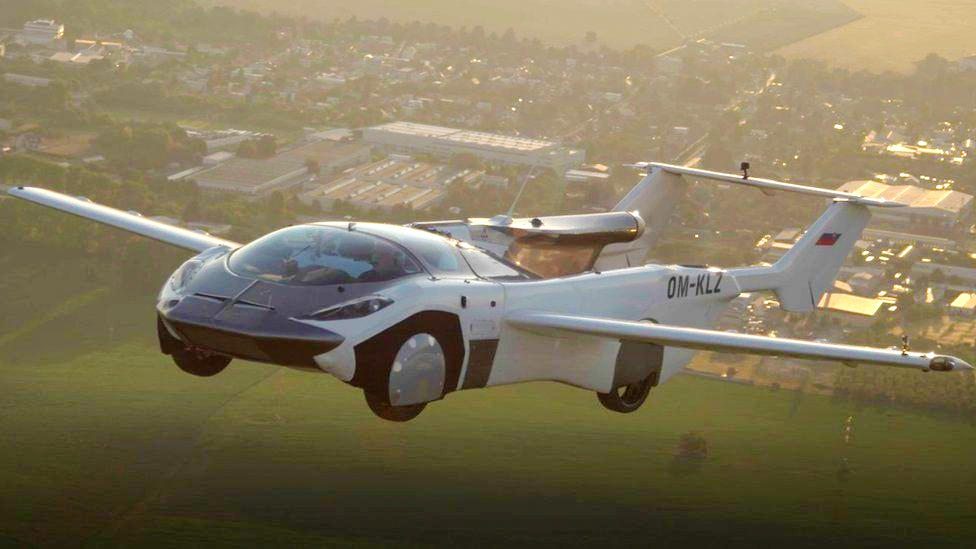
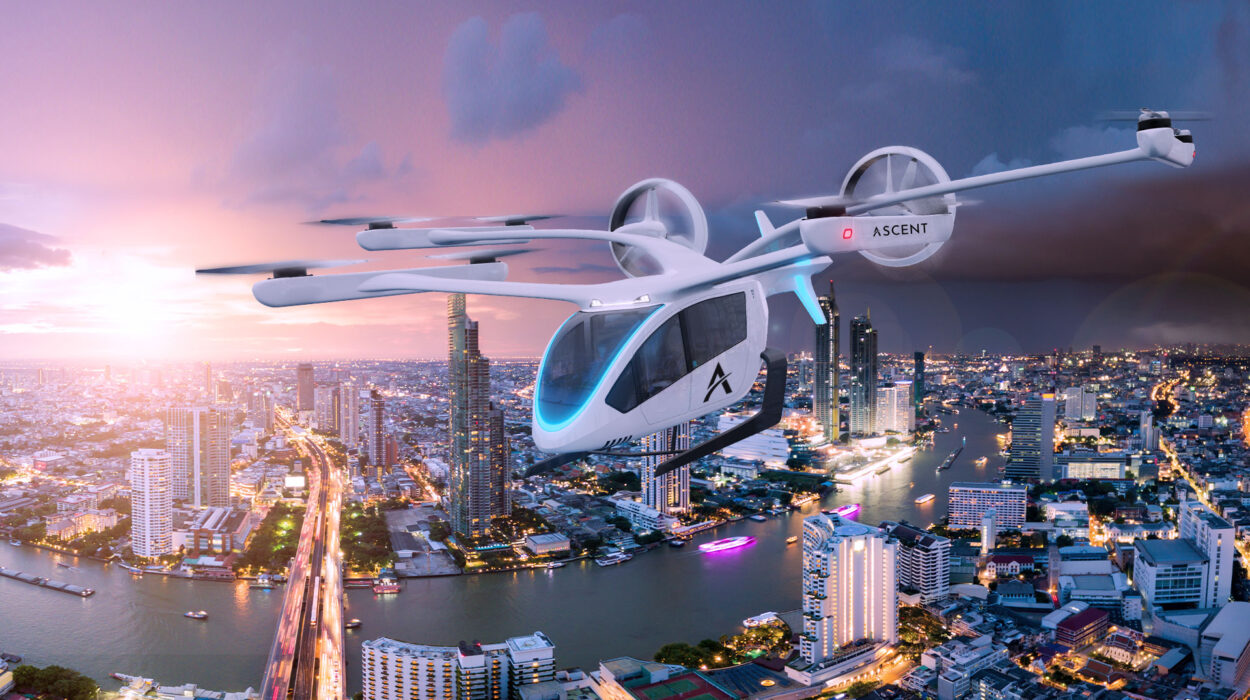
Transportation is undergoing significant changes as AI technologies continue to advance.
Self-driving vehicle research relies heavily on AI systems that process information from cameras, radar, lidar, GPS, and other sensors to understand the surrounding environment.
Even in vehicles that still require human drivers, AI already supports advanced safety features such as automatic emergency braking, lane-keeping assistance, adaptive cruise control, and collision detection.
Public transportation systems increasingly use AI to optimize routes, reduce delays, and improve traffic management.
Delivery companies use AI to plan efficient shipping routes, helping reduce fuel consumption and delivery times.
Although fully autonomous transportation continues to be developed and tested, AI is already making travel safer and more efficient.
AI Is Changing Education
Education is becoming more personalized through artificial intelligence.
AI-powered learning platforms can adapt lessons to match a student’s pace and learning style.
Students receive immediate feedback on assignments, helping them identify areas that need improvement.
Language learning applications use AI to evaluate pronunciation and provide personalized exercises.
Teachers can use AI tools to automate routine administrative tasks, allowing more time for classroom instruction and student interaction.
AI also supports accessibility by generating captions, converting speech to text, reading digital content aloud, and assisting learners with different educational needs.
Technology cannot replace skilled teachers, but it can become a valuable educational partner.
AI and Creativity
One of the most surprising developments in recent years has been AI’s ability to assist with creative work.
AI systems can generate images, compose music, write stories, create videos, and design graphics based on user instructions.
Rather than replacing human creativity, many artists, writers, musicians, and designers use AI as a collaborative tool.
For example, an author may use AI to brainstorm ideas, while a musician may experiment with AI-generated melodies before refining them into original compositions.
Human creativity, imagination, cultural understanding, and emotional expression remain essential parts of artistic work, while AI provides new ways to explore creative possibilities.
AI in Manufacturing and Industry
Factories are becoming smarter through AI-powered automation.
Modern manufacturing systems use AI to monitor production lines, detect equipment problems before failures occur, and improve quality control.
Computer vision systems inspect products for defects with remarkable speed and consistency.
Predictive maintenance helps companies repair machines before costly breakdowns happen.
AI also optimizes supply chains by forecasting demand, managing inventory, and improving logistics.
These improvements increase efficiency while reducing waste and operational costs.
Smarter Agriculture
Agriculture is another area benefiting from artificial intelligence.
Farmers use AI to monitor crop health, analyze soil conditions, predict weather impacts, and identify plant diseases.
Drones equipped with AI can survey large fields quickly, helping farmers detect problems earlier than traditional methods.
Precision agriculture allows water, fertilizers, and pesticides to be applied more efficiently, reducing environmental impact while improving crop yields.
As global food demand continues to grow, AI may play an increasingly important role in supporting sustainable agriculture.
AI and Environmental Protection
Artificial intelligence is helping scientists better understand and protect the environment.
AI analyzes satellite images to monitor forests, glaciers, oceans, and wildlife habitats.
Researchers use AI to track endangered species, detect illegal deforestation, and monitor pollution levels.
Weather forecasting models benefit from AI by processing enormous amounts of atmospheric data.
Energy companies use AI to optimize electricity distribution, improve renewable energy systems, and reduce waste.
Although AI itself requires significant computing resources, researchers continue exploring ways to make AI systems more energy-efficient while supporting environmental sustainability.
Cybersecurity in the Age of AI
As digital systems become more connected, cybersecurity grows increasingly important.
AI helps detect suspicious activities, identify malware, recognize unusual network behavior, and respond more quickly to cyber threats.
Financial institutions use AI to identify potentially fraudulent transactions by analyzing spending patterns.
However, cybersecurity is a continuous challenge because malicious actors can also attempt to use AI in cyberattacks.
As a result, cybersecurity experts and AI researchers constantly work to develop stronger defenses against evolving digital threats.
AI in Space Exploration
Artificial intelligence is helping humanity explore space more effectively.
Spacecraft use AI to process scientific data, assist with navigation, and make limited autonomous decisions when communication delays with Earth are significant.
Astronomers analyze enormous amounts of telescope data using AI to discover new galaxies, classify stars, and search for potentially habitable planets.
Future space missions may rely even more heavily on AI as exploration extends farther into the Solar System and beyond.
The Workplace of the Future
AI is changing how people work across many professions.
Routine and repetitive tasks can increasingly be automated, allowing workers to focus on more creative, strategic, and interpersonal responsibilities.
Doctors spend more time caring for patients while AI assists with image analysis.
Engineers use AI to simulate complex designs.
Scientists analyze research data more efficiently.
Business professionals automate repetitive paperwork.
Programmers receive coding assistance.
Writers and designers use AI for brainstorming and drafting ideas.
Rather than eliminating all jobs, AI is transforming many occupations by changing the nature of daily work.
New careers are also emerging in AI development, data science, robotics, AI ethics, cybersecurity, and human-AI collaboration.
Learning new skills throughout one’s career is becoming increasingly important.
Ethical Challenges of AI
As AI becomes more powerful, society faces important ethical questions.
One concern involves fairness. AI systems learn from data, and if that data contains biases, the resulting decisions may also reflect those biases. Researchers therefore work to develop fairer and more transparent AI systems.
Privacy is another major issue. Many AI applications rely on large amounts of personal information, making responsible data protection essential.
Transparency is equally important. People should understand how AI systems make decisions, especially in areas such as healthcare, finance, education, and law.
Accountability also matters. Humans remain responsible for designing, deploying, and supervising AI systems.
Developing trustworthy AI requires collaboration among scientists, engineers, policymakers, businesses, and the public.
AI Is Not Human Intelligence
Despite impressive capabilities, AI differs fundamentally from human intelligence.
Humans possess consciousness, emotions, self-awareness, creativity shaped by lived experience, moral reasoning, and broad common-sense understanding.
Current AI systems process patterns within data to generate useful outputs, but they do not experience feelings or possess genuine understanding in the human sense.
AI may produce fluent conversations, realistic images, or accurate predictions, yet these abilities arise from computational processes rather than conscious thought.
Recognizing both the strengths and limitations of AI is essential for using it responsibly.
Challenges That Still Remain
Artificial intelligence continues to improve, but many scientific and technical challenges remain.
AI systems can sometimes generate inaccurate information or make incorrect predictions.
Some models require enormous computational resources and energy.
Ensuring reliability, robustness, fairness, security, and transparency remains an active area of research.
Scientists are also working to improve AI’s ability to reason, learn from smaller amounts of data, explain its decisions, and collaborate more naturally with humans.
Continued research will determine how these challenges are addressed in the coming decades.
The Future of Human and AI Collaboration
The future of technology is unlikely to be a story of humans competing against intelligent machines. Instead, it is increasingly becoming a story of collaboration.
Doctors supported by AI may diagnose diseases more quickly.
Scientists working alongside AI may uncover new medicines and materials.
Teachers may use AI to personalize education for every student.
Engineers may design safer buildings and cleaner energy systems.
Artists may explore entirely new forms of creative expression.
In each case, AI serves as a powerful tool that extends human capabilities rather than replacing human imagination, judgment, and responsibility.
Looking Ahead
Artificial intelligence is reshaping the future of technology in ways that are both exciting and profound. From healthcare and education to transportation, manufacturing, environmental science, and space exploration, AI is helping solve problems that once seemed impossible while opening doors to discoveries yet to come.
Its continued development promises faster scientific research, smarter technologies, improved productivity, and new opportunities for innovation. At the same time, its success will depend not only on technical progress but also on thoughtful governance, ethical design, transparency, and responsible human oversight.
The future of technology will not be defined by artificial intelligence alone. It will be shaped by how people choose to develop, regulate, and use it. When guided by scientific knowledge, ethical principles, and a commitment to improving human well-being, AI has the potential to become one of the most transformative technologies in human history, helping build a future that is not only more intelligent but also more connected, more innovative, and more capable of addressing some of the world’s greatest challenges.