Imagine waking before sunrise to the sound of a rooster crowing in a small farming village. The air is cool, the fields are covered with morning mist, and the smell of wood smoke drifts from nearby homes. There are no alarm clocks, no electric lights, no cars rushing down busy streets. Instead, the rhythm of life follows the rising and setting of the Sun, the changing seasons, and the endless cycle of planting and harvesting.
This was daily life for millions of ordinary people in ancient China.
When people think about ancient China, they often picture magnificent imperial palaces, mighty emperors, the Great Wall, silk robes, and legendary warriors. Yet these famous symbols represented only a tiny fraction of society. Most people were not nobles, scholars, or government officials. They were farmers, craftsmen, merchants, fishermen, laborers, and their families. Their lives were filled with hard work, strong family bonds, local traditions, and constant adaptation to the natural world.
Although ancient China lasted for thousands of years and changed dramatically from one dynasty to another, many aspects of everyday life remained surprisingly consistent. For the common people, survival depended on the land, the family, and the community.
The Village Was the Center of Life
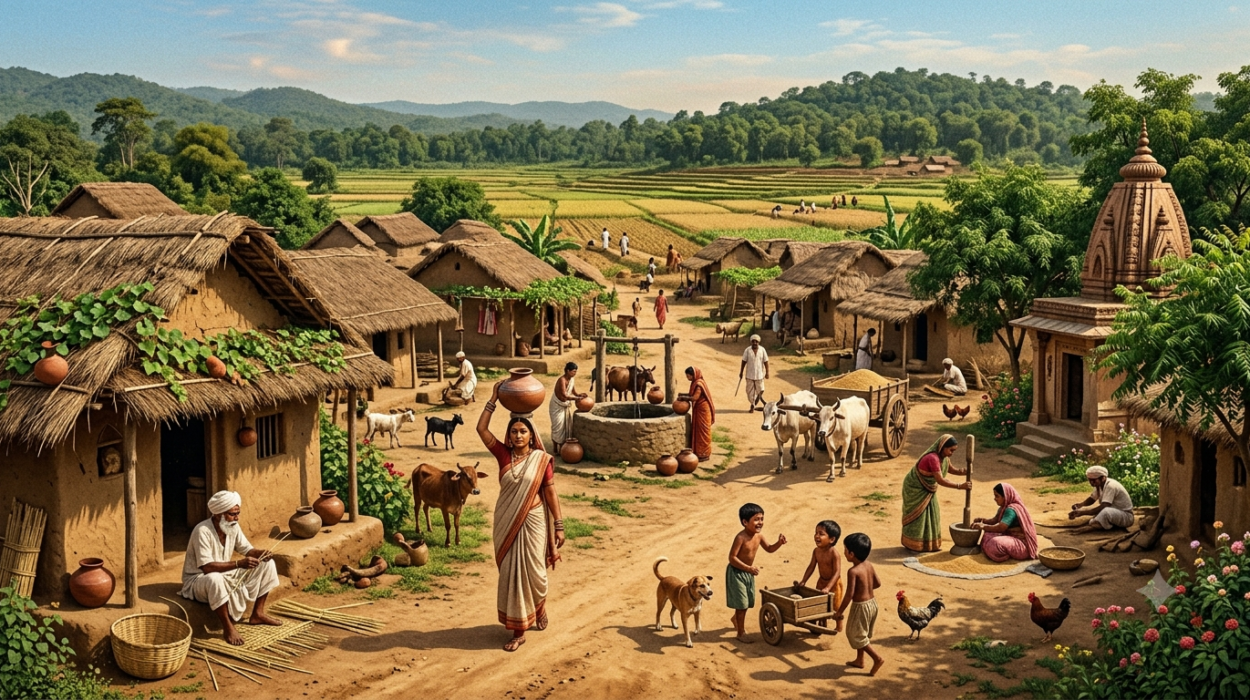
For much of Chinese history, most people lived in rural villages rather than large cities. These settlements could range from a handful of houses to communities with several hundred families.
Villages were usually built near rivers, streams, or fertile farmland. Access to fresh water was essential not only for drinking but also for irrigation, cooking, washing, and raising livestock.
The surrounding landscape often determined the villagers’ way of life. In the fertile plains of northern China, people grew crops such as millet and wheat. In the warmer, wetter south, rice became the dominant crop. Over centuries, Chinese farmers developed sophisticated irrigation systems, terraces, canals, and water-control techniques that allowed agriculture to support a growing population.
Life revolved around the village. Most people spent their entire lives without traveling very far from where they were born.
Homes Were Simple but Practical
The homes of ordinary people reflected both their environment and their financial means.
Poor farming families often lived in houses built from locally available materials such as packed earth, wood, bamboo, reeds, or straw. Walls might be made of rammed earth, while roofs were covered with thatch or clay tiles if the family could afford them.
Inside, the house was usually modest. Furniture was limited. Families often shared sleeping spaces, and many homes had a central area for cooking and eating.
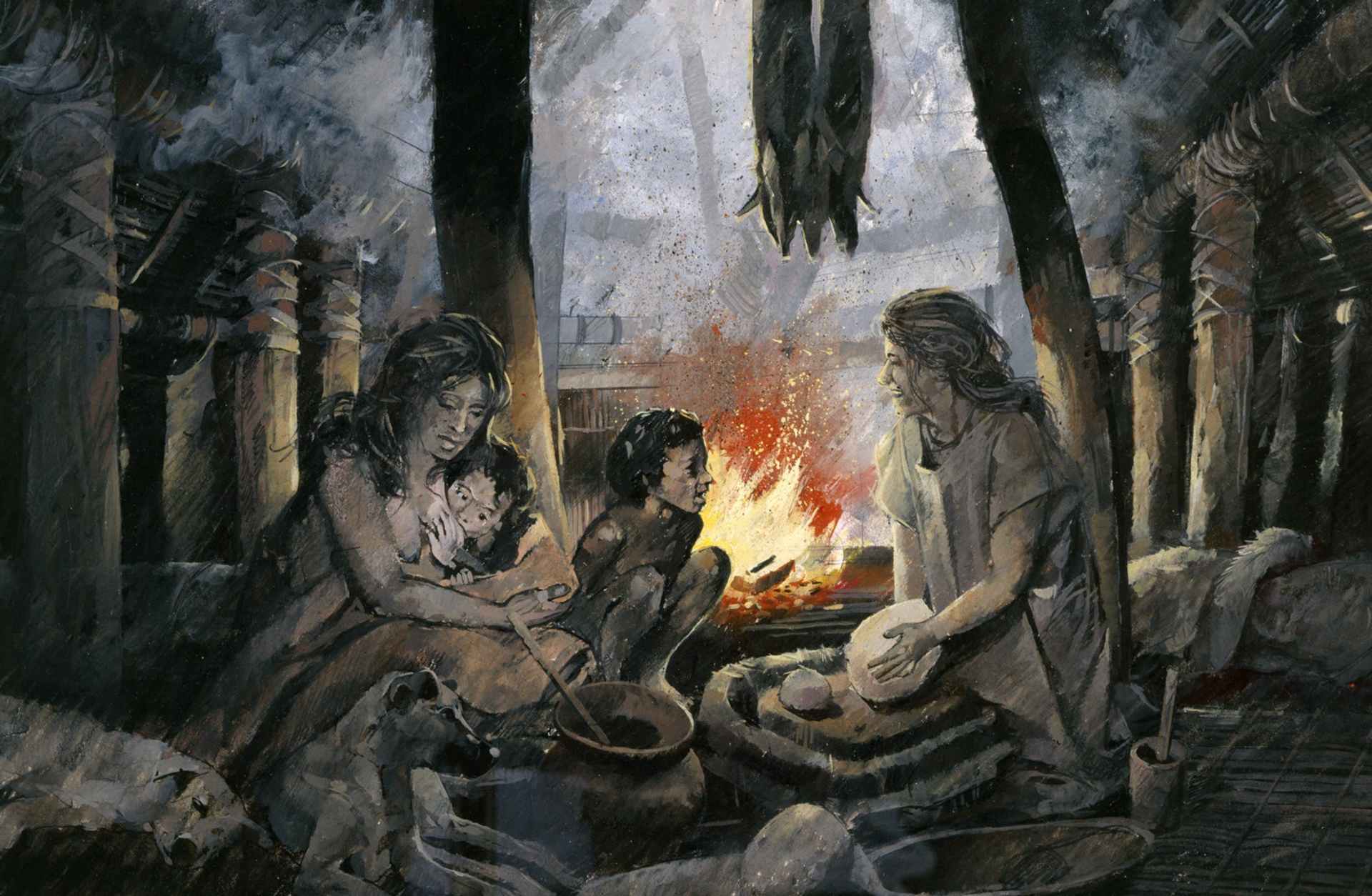
Cooking was done over open fires or simple stoves fueled by wood, straw, or dried plant material. Smoke escaped through openings in the roof or windows, making indoor air smoky by modern standards.
Although these homes lacked luxury, they were carefully adapted to local climates. Thick earthen walls helped keep interiors cooler during summer and warmer during winter.
The Day Began Before Sunrise
For farming families, the day started early.
Before dawn, adults prepared for work while children helped with household chores. Water had to be fetched, fires lit, animals fed, and breakfast prepared before heading into the fields.
There was little time to waste.
The amount of work depended on the season. During planting and harvest, nearly everyone who was physically able contributed. Even young children helped carry tools, scare birds away from crops, collect firewood, or care for younger siblings.
Work continued from sunrise until sunset, with short breaks for meals.
The changing seasons dictated every aspect of daily life. Missing the right time to plant or harvest could mean hunger during the coming year.
Farming Was a Way of Life
Agriculture formed the backbone of ancient Chinese civilization.
Most common people were farmers, and their livelihoods depended on successful harvests.
Rice cultivation required careful management of flooded fields, while wheat and millet demanded different farming techniques. Farmers used simple but effective tools made of wood and iron, depending on the historical period and local availability.
Water buffaloes and oxen helped plow fields in many regions, making cultivation more efficient.
Farming was physically demanding.
People bent over fields for hours under the hot Sun, planted seedlings by hand, removed weeds, repaired irrigation channels, and harvested crops using sickles.
The work never truly ended. After harvest came preparing fields for the next season, repairing tools, storing grain, and maintaining homes.
Meals Were Simple but Nourishing
Despite the fame of modern Chinese cuisine, the diet of ordinary people was generally modest.
For many families, grains formed the foundation of every meal.
In northern China, wheat and millet were common staples. People ate steamed buns, noodles, porridges, or flatbreads.
In southern China, rice dominated daily meals.
Vegetables such as cabbage, turnips, onions, beans, and leafy greens were widely grown. Soybeans became especially important because they provided valuable protein and could be processed into foods such as tofu and fermented sauces.
Meat was much less common than many people imagine.
For ordinary families, pork, chicken, or fish might be eaten during festivals or special occasions rather than every day. Eggs were valuable, and fish could supplement diets in communities near rivers and lakes.
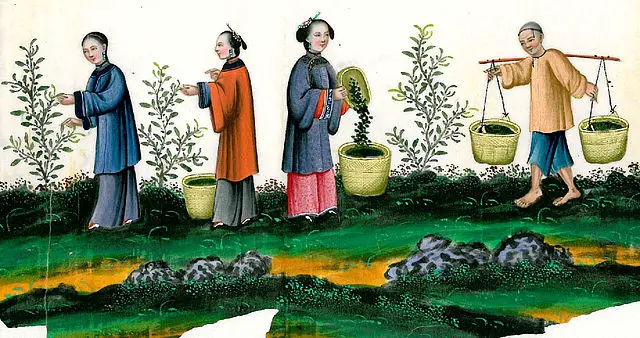
Tea eventually became one of China’s most important beverages, although its widespread popularity developed gradually over different historical periods.
Nothing was wasted. Every harvest mattered.
Clothing Reflected Everyday Needs
The clothing worn by common people was designed for practicality rather than fashion.
Most garments were made from hemp, ramie, cotton in later periods, or coarse woven fabrics. Silk, although produced in China, remained expensive for much of history and was largely associated with wealthier families and the elite.
Men commonly wore tunics and loose trousers, while women wore long robes or jackets with skirts or trousers depending on the era and region.
Colors were generally plain because producing bright dyes required additional resources.
Clothing needed to withstand long hours of physical labor while protecting people from changing weather.
Family Was Everything
Family occupied the center of ancient Chinese society.
Several generations often lived together under one roof or within the same household compound.
Grandparents, parents, children, and sometimes uncles, aunts, and cousins shared responsibilities and resources.
Respect for elders formed one of the strongest cultural values. Older family members guided important decisions, passed down traditions, and cared for grandchildren.
Children learned from an early age to contribute to household work.
Boys often assisted fathers in farming or skilled trades.
Girls frequently helped mothers with cooking, weaving, cleaning, and caring for younger children.
Marriage was considered not only a union between individuals but also an alliance between families.
Education Was a Privilege
Many ordinary children never attended formal schools.
Their education came through daily experience.
They learned farming techniques, household skills, craftsmanship, and local customs by observing older family members.
However, education held enormous cultural importance in Chinese civilization.
Families who could afford it sometimes sent sons to study reading, writing, and the teachings of Confucian philosophy.
Success in the imperial examination system offered one of the few paths through which talented individuals from modest backgrounds could enter government service, although preparing for these demanding examinations required considerable time, resources, and education.
For most common families, survival remained the first priority.
Markets Brought Villages to Life
Although villages produced much of what they needed, markets connected communities with the wider world.
On market days, farmers brought vegetables, grain, eggs, firewood, livestock, and handmade goods to trade or sell.
Craftsmen offered pottery, baskets, farming tools, cloth, shoes, furniture, and metal products.
Merchants transported salt, tea, spices, ceramics, medicines, and luxury goods between distant regions.
Markets were lively places where people exchanged not only goods but also news, stories, and ideas.
For many villagers, market days were among the most exciting events of the month.
Craftsmen Played an Essential Role
Not everyone worked on farms.
Ancient Chinese society depended on skilled craftsmen whose expertise supplied everyday necessities.
Blacksmiths forged farming tools and cooking utensils.
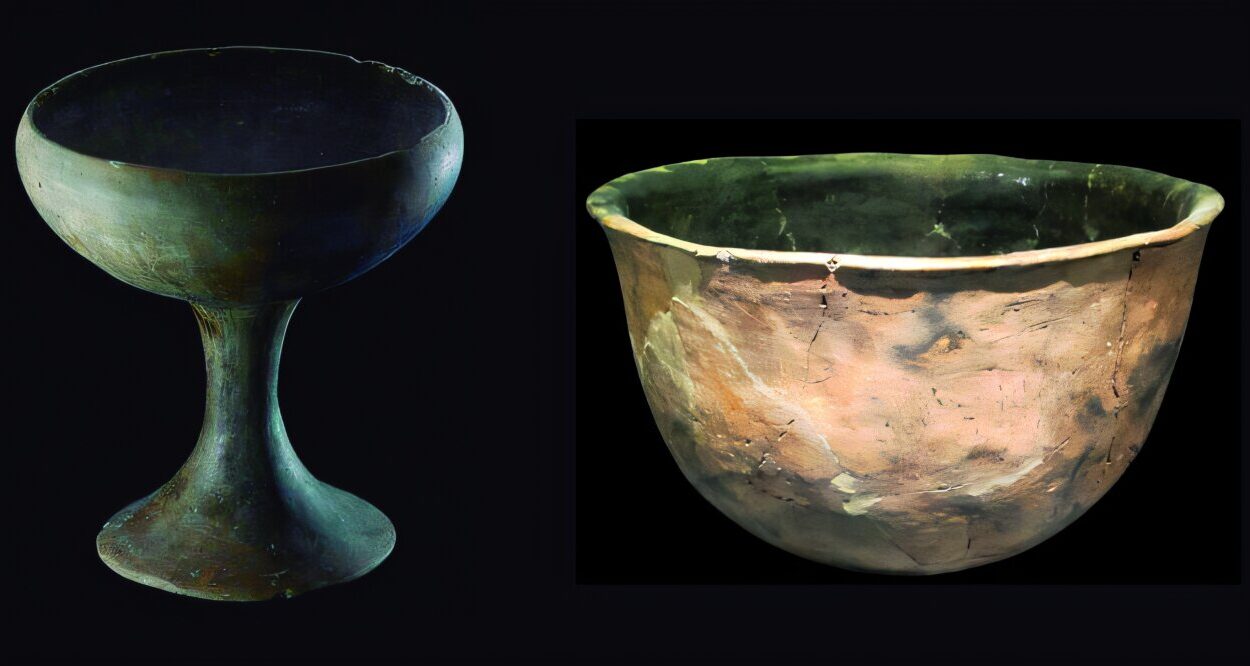
Potters created jars, bowls, storage vessels, and roof tiles.
Carpenters built houses, carts, furniture, and bridges.
Weavers produced cloth for clothing and household use.
Paper makers, printers, lacquer workers, and metalworkers contributed to industries that eventually became famous throughout the world.
Their skills were often passed from one generation to the next.
Women Worked Constantly
The lives of women involved continuous labor both inside and outside the home.
In farming communities, women often helped plant, weed, harvest, and process crops alongside men.
They also prepared meals, cared for children, cleaned homes, spun thread, wove cloth, raised domestic animals, and managed countless household responsibilities.
Their contributions were essential to family survival.
The exact roles and freedoms of women varied across different dynasties, regions, economic classes, and ethnic communities. Historical records often emphasize elite families, but archaeological evidence and local records indicate that ordinary women played central roles in agriculture and household production.
Festivals Brought Joy
Life was difficult, but it was not without celebration.
Festivals offered welcome breaks from daily labor.
Families gathered to honor ancestors, celebrate successful harvests, enjoy traditional foods, and participate in local customs.
Music, dancing, storytelling, lantern displays, dragon dances in later traditions, and seasonal rituals strengthened community bonds.
The Lunar New Year became one of the most important celebrations, bringing families together to welcome a new beginning.
Festivals reminded people that life was about more than work alone.
Religion and Belief Shaped Daily Life
Ancient China’s spiritual traditions were diverse.
Ancestor worship formed an important part of many households. Families believed that honoring deceased relatives maintained connections between generations and brought blessings to the living.
Confucianism strongly influenced social values, emphasizing family responsibility, education, respect, and moral conduct.
Daoism encouraged harmony with nature and balance in life.
Buddhism, introduced from India during the early centuries of the Common Era, gradually became deeply rooted in Chinese society, inspiring temples, art, and new spiritual practices.
Many ordinary people blended elements of these traditions rather than following only one.
Illness Could Be Dangerous
Without modern medicine, even common illnesses sometimes became life-threatening.
Traditional Chinese medicine developed over many centuries, using herbal remedies, acupuncture, massage, dietary advice, and careful observation of symptoms.
Some treatments proved beneficial and continue to be used today, while others reflected the medical understanding of their time.
Clean water, adequate nutrition, and successful harvests greatly influenced health.
Epidemics occasionally swept through communities, particularly during periods of famine, war, or natural disaster.
Life expectancy was much lower than it is today, largely because infant mortality, infectious diseases, and injuries were common.
Nature Could Be Both Friend and Enemy
The natural world sustained ancient China, but it also presented constant challenges.
Floods from major rivers could destroy crops and villages.
Droughts threatened food supplies.
Harsh winters, insect infestations, earthquakes, and storms could bring widespread hardship.
Because agriculture depended so heavily on weather, families lived with uncertainty every year.
Communities often worked together to build irrigation systems, repair flood defenses, and share resources during difficult times.
Cooperation increased the chances of survival.
Cities Offered Different Opportunities
Although most people lived in rural areas, cities were important centers of trade, government, education, and craftsmanship.
Urban residents encountered busy markets, workshops, temples, government offices, inns, and entertainment.
Life in cities could be crowded and noisy.
Merchants, artisans, scholars, laborers, and officials interacted daily, creating vibrant economic and cultural activity.
Yet even many city dwellers remained closely connected to agriculture through trade or family ties.
Taxes and Government
Common people supported the state through taxes and labor obligations.
Taxes were often paid in grain, cloth, coins, or other goods depending on the dynasty.
Some periods also required labor on public works such as roads, canals, city walls, or sections of the Great Wall.
The burden of taxation varied over time. During stable periods, prosperity could increase, while times of war, corruption, or poor harvests often placed enormous strain on ordinary families.
Government policies directly influenced daily life, even in remote villages.
Childhood Was Different
Children in ancient China usually assumed responsibilities much earlier than children today.
Play certainly existed. Archaeologists have discovered toys, game pieces, spinning tops, dolls, and other objects associated with childhood.
Yet children also contributed to household work from a young age.
They learned practical skills, family traditions, respect for elders, and social responsibilities through daily participation in community life.
Growing up meant gradually becoming an active member of the household economy.
Evenings Were Quiet
As darkness fell, activity slowed.
Without electric lighting, evenings were illuminated by oil lamps, candles, or the glow of cooking fires.
Families gathered to eat their evening meal.
Stories were told.
Children listened to grandparents share local legends, historical tales, and family history.
Simple repairs might continue by lamplight before everyone prepared for another early morning.
Night brought rest because another demanding day awaited with sunrise.
How Archaeology Reveals Everyday Life
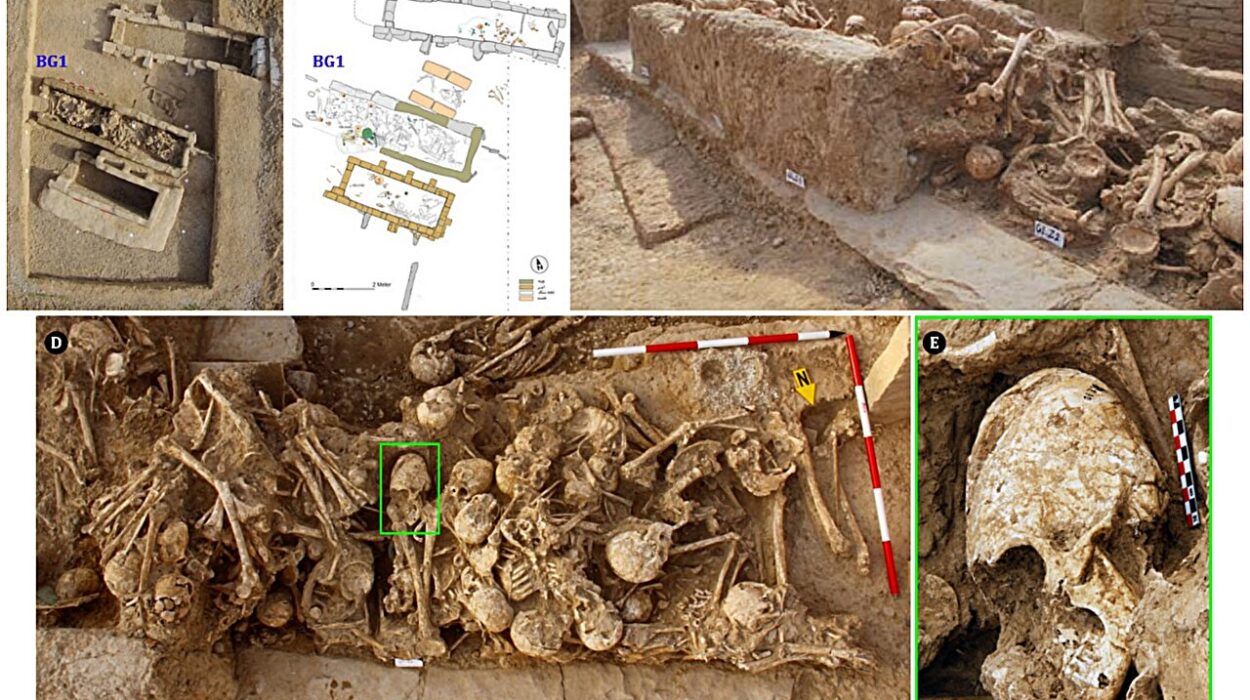
Much of what historians know about ordinary people comes not from imperial records but from archaeology.
Excavations of villages, homes, tombs, workshops, ancient wells, and storage pits have uncovered pottery, farming tools, food remains, clothing fragments, cooking utensils, seeds, animal bones, and household objects.
These discoveries help reconstruct the lives of people who rarely appeared in official historical documents.
Scientific techniques such as radiocarbon dating, pollen analysis, stable isotope studies, and ancient DNA research continue to deepen our understanding of agriculture, diets, migration, health, and family life across different regions of ancient China.
Rather than telling only the stories of emperors and generals, archaeology allows ordinary voices to emerge from the past.
A Life of Hard Work and Quiet Strength
Life for the common people of ancient China was rarely easy. It demanded endurance, cooperation, and an intimate understanding of the natural world. Every harvest, every season, and every family member played a role in ensuring survival.
Yet their world was not defined solely by hardship. It was also filled with family meals, seasonal festivals, shared traditions, laughter among neighbors, children’s games, quiet evenings around the fire, and deep respect for ancestors and community.
The magnificent achievements of ancient Chinese civilization—the Great Wall, bustling cities, remarkable inventions, beautiful literature, and enduring cultural traditions—were built not only by emperors and scholars but also by countless ordinary people whose names have been forgotten. Their hands cultivated the fields, built the roads, crafted the pottery, wove the cloth, and sustained one of the world’s longest continuous civilizations.
Their daily lives, though humble, formed the true foundation of ancient China. Through their resilience, dedication, and quiet perseverance, they shaped a civilization whose influence continues to be felt across the world today.