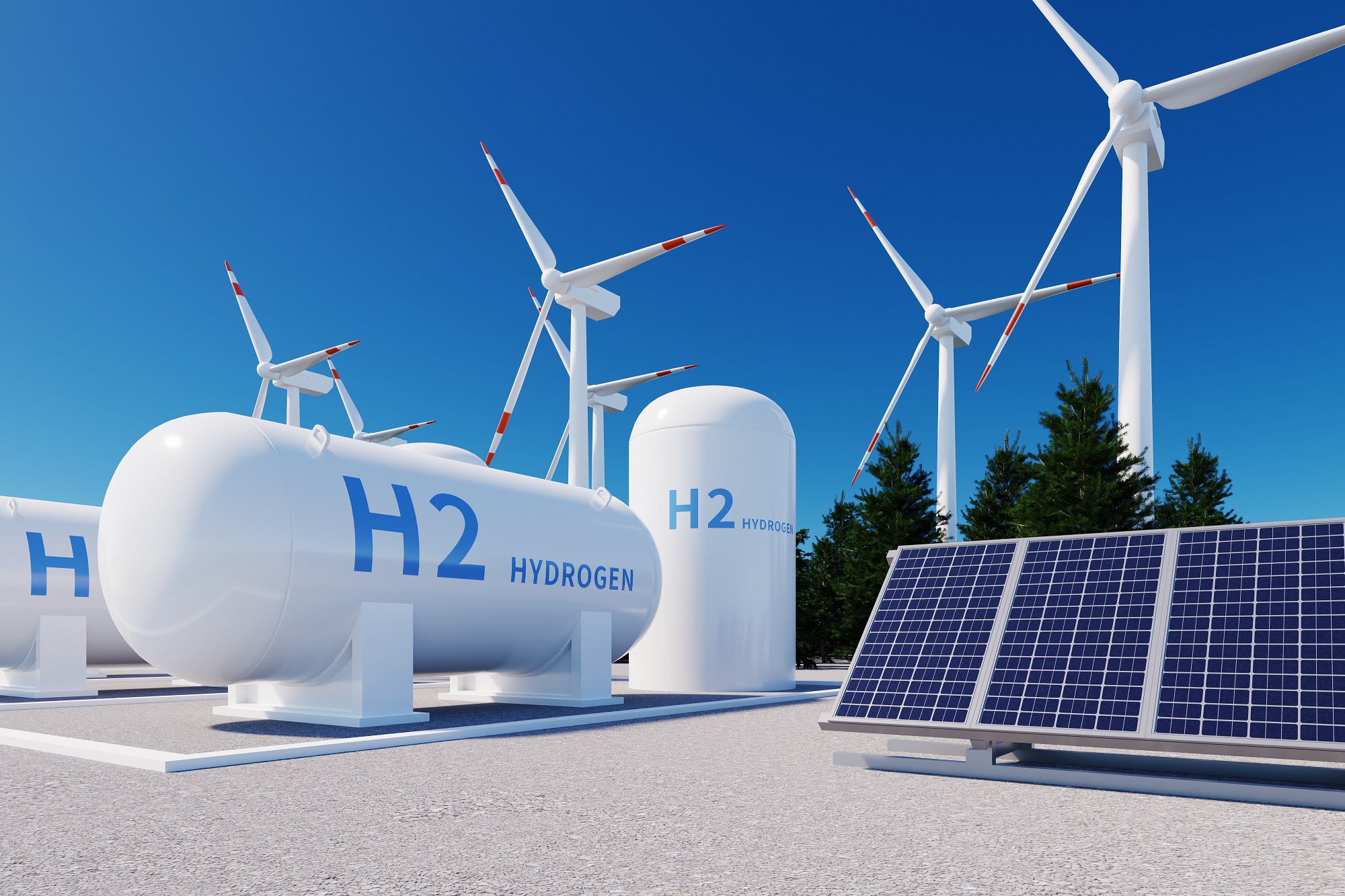
Imagine a future where cars emit nothing but water vapor, factories produce steel without releasing vast amounts of carbon dioxide, airplanes travel long distances using clean fuel, and renewable energy generated on windy or sunny days can be stored for months instead of hours. This vision is driving one of the world’s most exciting energy revolutions: hydrogen fuel.
Hydrogen has long been called the “fuel of the future.” For decades, scientists and engineers have recognized its remarkable potential. Yet despite its promise, hydrogen has never become a mainstream energy source. Today, however, that is beginning to change. As nations race to reduce greenhouse gas emissions and transition away from fossil fuels, hydrogen is receiving unprecedented attention from governments, researchers, and industries.
The future of hydrogen fuel is not simply about replacing gasoline or coal. It is about transforming how humanity produces, stores, transports, and uses energy. Although many challenges remain, advances in technology are making hydrogen increasingly realistic as part of a cleaner and more sustainable energy system.
What Is Hydrogen Fuel?
Hydrogen is the lightest and most abundant chemical element in the universe. Every hydrogen atom contains just one proton and one electron, making it the simplest atom known.
Although hydrogen is abundant in the universe, it is rarely found on Earth as pure hydrogen gas. Instead, it is usually bonded with other elements. Water, for example, consists of hydrogen and oxygen. Many fuels, including natural gas and petroleum, also contain hydrogen combined with carbon.
Hydrogen fuel refers to hydrogen gas that is used as an energy source. When hydrogen reacts with oxygen inside a fuel cell or burns in a specially designed engine, it releases energy. In a fuel cell, the main byproduct is water, making the process remarkably clean at the point of use.
Unlike fossil fuels, hydrogen itself does not produce carbon dioxide when used in a fuel cell.
Why Hydrogen Is Attracting So Much Attention
The world faces one of its greatest challenges: reducing greenhouse gas emissions while continuing to provide reliable energy for billions of people.
Electricity generated from solar panels and wind turbines has grown rapidly, but renewable energy has limitations. The Sun does not always shine, and the wind does not always blow. Batteries can store electricity, but storing massive amounts of energy for weeks or months remains difficult and expensive.
Hydrogen offers a possible solution.
Instead of using renewable electricity immediately, excess electricity can be used to produce hydrogen through a process called electrolysis. The hydrogen can then be stored and later converted back into electricity or used as fuel whenever needed.
This ability to store energy for long periods makes hydrogen an attractive companion to renewable energy.
How Hydrogen Fuel Works
Hydrogen can produce energy in several ways.
One method involves burning hydrogen in specially designed combustion engines. This process releases heat that can power turbines or engines.
Another, more efficient method uses hydrogen fuel cells.
Inside a fuel cell, hydrogen reacts with oxygen from the air through an electrochemical process rather than combustion. This reaction generates electricity while producing only water and heat as byproducts.
Because fuel cells avoid combustion, they can convert chemical energy into electricity with high efficiency and very low emissions.
Fuel cells are already being used in buses, trucks, trains, backup power systems, and some passenger vehicles.
Hydrogen Is an Energy Carrier
A common misunderstanding is that hydrogen is an energy source like sunlight or wind.
In reality, hydrogen is an energy carrier.
This means energy must first be used to produce hydrogen. The hydrogen then stores that energy until it is needed.
This is similar to electricity.
Electricity is not found naturally in large amounts. Instead, it is generated from sources such as solar power, wind, nuclear energy, or fossil fuels.
Hydrogen serves a similar role by carrying stored energy from one place or time to another.
Different Ways Hydrogen Is Produced
Not all hydrogen is equally environmentally friendly.
Today, most hydrogen is produced from natural gas using a process called steam methane reforming. While this method is relatively inexpensive, it releases significant amounts of carbon dioxide unless the emissions are captured and stored.
Hydrogen produced this way is often referred to as gray hydrogen.
If carbon dioxide from the process is captured and permanently stored underground, the product is commonly called blue hydrogen. This approach reduces emissions but does not eliminate them entirely.
The cleanest option is green hydrogen, which is produced by splitting water into hydrogen and oxygen using electricity generated from renewable sources such as solar, wind, or hydropower.
Because no fossil fuels are involved in the production process, green hydrogen has the potential to provide extremely low life-cycle greenhouse gas emissions when produced using clean electricity.
Scientists and engineers around the world are working to make green hydrogen cheaper and more widely available.
The Promise of Green Hydrogen
Green hydrogen has become one of the most exciting areas of clean energy research.
As renewable electricity becomes less expensive, producing hydrogen through electrolysis is becoming increasingly competitive.
Electrolyzers, the machines that split water into hydrogen and oxygen, have improved significantly in recent years. Researchers continue developing systems that are more efficient, durable, and affordable.
Large solar farms and offshore wind projects may eventually produce enormous quantities of green hydrogen, providing clean fuel for industries that cannot easily rely on batteries alone.
Many experts believe green hydrogen could become an essential component of achieving global climate goals.
Hydrogen and Transportation
Electric vehicles powered by batteries are becoming increasingly common, especially for passenger cars.
However, batteries are not ideal for every type of transportation.
Heavy trucks, cargo ships, long-distance trains, and large aircraft require enormous amounts of energy. Carrying enough batteries for these vehicles can add significant weight and reduce efficiency.
Hydrogen offers another possibility.
Fuel-cell vehicles can be refueled relatively quickly and often provide long driving ranges. Because hydrogen contains a high amount of energy per unit of mass, it may prove particularly useful for transportation systems where minimizing weight is important.
Several manufacturers are developing hydrogen-powered trucks, buses, trains, and ships. Researchers are also investigating hydrogen-powered aircraft for future commercial aviation.
Although these technologies are still evolving, they represent an important area of innovation.
Hydrogen in Industry
Some industries are especially difficult to decarbonize.
Steel production, cement manufacturing, chemical processing, and fertilizer production require extremely high temperatures or involve chemical reactions that produce large amounts of carbon dioxide.
Hydrogen could play a transformative role in these sectors.
For example, hydrogen can replace coal in certain methods of steel production by removing oxygen from iron ore without generating carbon dioxide from the reduction process itself. Instead, water is produced.
If implemented on a large scale using low-emission hydrogen, this approach could dramatically reduce emissions from one of the world’s most carbon-intensive industries.
Hydrogen is also already an essential ingredient in producing ammonia, which is widely used in fertilizers that support global agriculture.
Producing this hydrogen with cleaner methods could substantially reduce industrial emissions.
Hydrogen and Renewable Energy Storage
One of hydrogen’s greatest strengths is its ability to store energy over long periods.
Renewable energy production often varies throughout the day and across seasons.
On particularly sunny or windy days, renewable power plants may generate more electricity than consumers need.
Rather than wasting this excess electricity, it can be used to produce hydrogen.
The hydrogen can then be stored in tanks, underground caverns, or other storage systems for weeks, months, or potentially even longer.
When electricity demand rises, the stored hydrogen can generate electricity through fuel cells or gas turbines.
This flexibility may help create more reliable renewable energy systems.
Can Hydrogen Replace Fossil Fuels?
Hydrogen has enormous potential, but it is unlikely to replace fossil fuels in every application.
Different energy technologies have different strengths.
Battery-powered cars are generally more energy-efficient than hydrogen-powered passenger vehicles because fewer energy conversions occur between electricity generation and vehicle movement.
For many passenger vehicles, batteries are expected to remain an important solution.
However, hydrogen may become especially valuable where batteries face practical limitations, including heavy industry, long-distance transportation, shipping, aviation, seasonal energy storage, and some power generation applications.
Rather than competing directly, hydrogen and batteries are likely to complement one another in the future energy system.
The Challenges Facing Hydrogen
Despite its promise, hydrogen still faces significant obstacles.
Producing clean hydrogen remains relatively expensive compared with conventional fossil fuels in many regions.
Electrolyzers, renewable electricity, storage systems, and transportation infrastructure all require continued investment.
Hydrogen is also a very light gas.
Its low density means it occupies a large volume unless compressed or cooled into liquid form. Both compression and liquefaction require additional energy and specialized equipment.
Transporting hydrogen safely over long distances also presents engineering challenges.
Pipelines, storage tanks, fueling stations, and industrial facilities must be carefully designed because hydrogen molecules are extremely small and can leak through materials more easily than many other gases.
Scientists continue improving materials and engineering solutions to address these challenges.
Safety Considerations
Because hydrogen is flammable, safety is an important consideration.
However, flammability alone does not make a fuel unsafe.
Gasoline, natural gas, and many industrial chemicals are also flammable, yet they are handled safely every day through proper engineering and regulations.
Modern hydrogen systems incorporate advanced leak detection, ventilation, pressure controls, and safety standards.
Hydrogen flames behave differently from gasoline fires, and specialized safety procedures have been developed for industries that use hydrogen.
As hydrogen technologies become more widespread, continued attention to safety will remain essential.
Hydrogen Infrastructure
For hydrogen to become a major energy source, infrastructure must expand significantly.
Fuel production facilities need to increase.
Pipelines and storage systems must be built.
Hydrogen fueling stations will need to become more common.
Ports, airports, factories, and power plants may require substantial modifications.
Building this infrastructure will require long-term investment from governments, private companies, and international partnerships.
Fortunately, many countries have already begun planning extensive hydrogen networks as part of their clean-energy strategies.
Scientific Innovation Is Accelerating
Research into hydrogen technology is advancing rapidly.
Scientists are developing more efficient catalysts that reduce the cost of electrolysis.
Engineers are creating fuel cells with longer operating lifetimes.
Researchers are investigating new methods for storing hydrogen using advanced materials, including metal hydrides and porous structures that can absorb hydrogen safely.
Artificial intelligence is helping optimize hydrogen production, storage, and distribution systems.
Materials science continues improving pipelines, tanks, and membranes that reduce hydrogen losses.
Each innovation brings hydrogen closer to widespread commercial use.
Hydrogen Beyond Earth
Hydrogen has played a remarkable role in space exploration.
Liquid hydrogen has long served as a powerful rocket fuel because of its exceptionally high energy content by mass.
Many launch vehicles have relied on hydrogen combined with liquid oxygen to propel spacecraft beyond Earth’s atmosphere.
Future space missions may also produce hydrogen directly from water found on the Moon or Mars, reducing the need to transport fuel from Earth.
Hydrogen may therefore support not only Earth’s clean-energy transition but also humanity’s future exploration of the Solar System.
The Role of Governments
The future of hydrogen depends not only on scientific breakthroughs but also on public policy.
Many governments have introduced national hydrogen strategies that encourage investment in research, infrastructure, and industrial development.
Financial incentives, emissions regulations, and international cooperation are helping accelerate hydrogen projects around the world.
As demand for clean energy grows, these policies may encourage industries to adopt low-emission hydrogen technologies more rapidly.
Hydrogen and the Global Energy Transition
The world’s energy system is undergoing one of the greatest transformations in history.
Electricity generated from renewable sources continues expanding.
Battery technologies continue improving.
Nuclear energy remains an important low-carbon option in many countries.
Hydrogen is emerging as another important piece of this evolving energy landscape.
No single technology can solve climate change alone.
Instead, future energy systems will likely combine multiple solutions, each serving different purposes.
Hydrogen’s unique strengths make it particularly valuable where direct electrification is difficult or impractical.
Looking Toward the Future
The future of hydrogen fuel is filled with both opportunity and uncertainty.
Many technical challenges remain, and hydrogen will not replace every existing energy source. Producing, storing, transporting, and using hydrogen efficiently still requires continued innovation and substantial investment.
Yet the pace of scientific progress is encouraging.
Electrolyzers are becoming more efficient. Renewable electricity is becoming less expensive. Fuel cells continue improving. New storage technologies are emerging. Industrial demonstrations are expanding into commercial projects.
As these advances continue, hydrogen may become increasingly important in sectors where few other low-carbon alternatives exist.
A Cleaner Energy Future
Hydrogen is the simplest element in the universe, yet it may help address one of humanity’s most complex challenges: building a sustainable energy system capable of supporting billions of people while reducing greenhouse gas emissions.
Its greatest strength lies not in replacing every fuel we use today but in filling the gaps that other clean technologies cannot easily address. From powering heavy industries and long-distance transportation to storing renewable energy and supporting future space exploration, hydrogen offers possibilities that extend far beyond traditional fuels.
The road ahead will require scientific innovation, engineering expertise, international cooperation, and thoughtful investment. Success is not guaranteed, and hydrogen alone cannot solve the world’s energy challenges. However, as part of a broader transition that includes renewable energy, batteries, energy efficiency, and other low-carbon technologies, hydrogen has the potential to become one of the defining energy carriers of the twenty-first century.
The future of hydrogen fuel is still unfolding. Every new discovery, every improved electrolyzer, every cleaner production method, and every successful industrial project brings us one step closer to understanding how this remarkable element may help power a cleaner, more resilient, and more sustainable world.