Imagine stepping into your car on a busy Monday morning, telling it where you want to go, and then sitting back to read a book, answer emails, or simply enjoy the view while the vehicle safely handles every turn, traffic signal, and highway exit. It sounds like a scene from a science fiction movie, but around the world, this vision is steadily moving closer to reality.
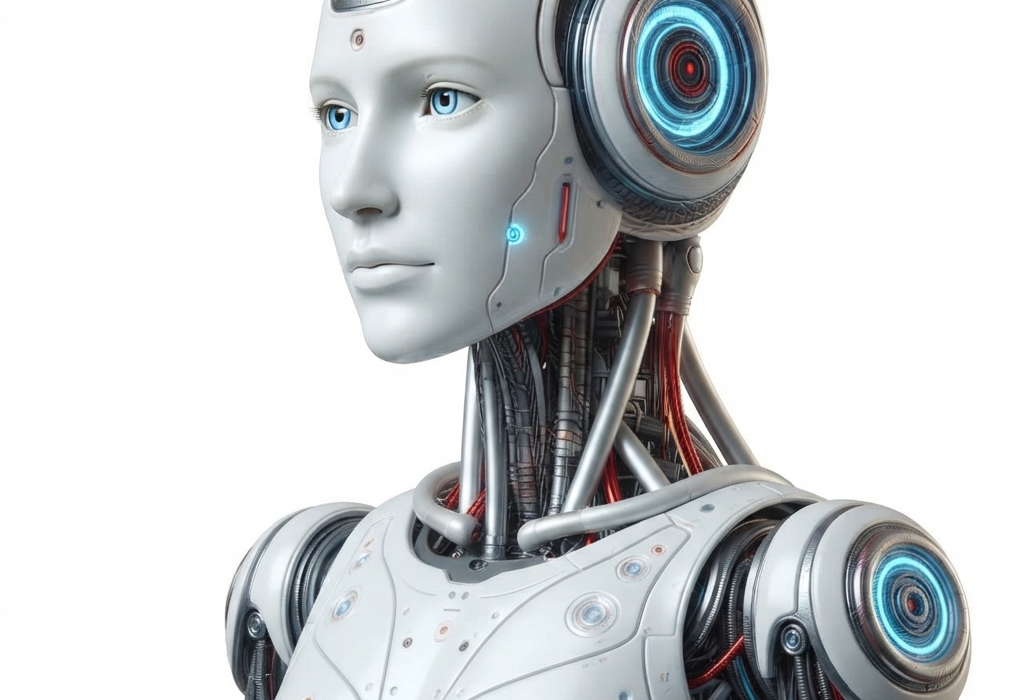
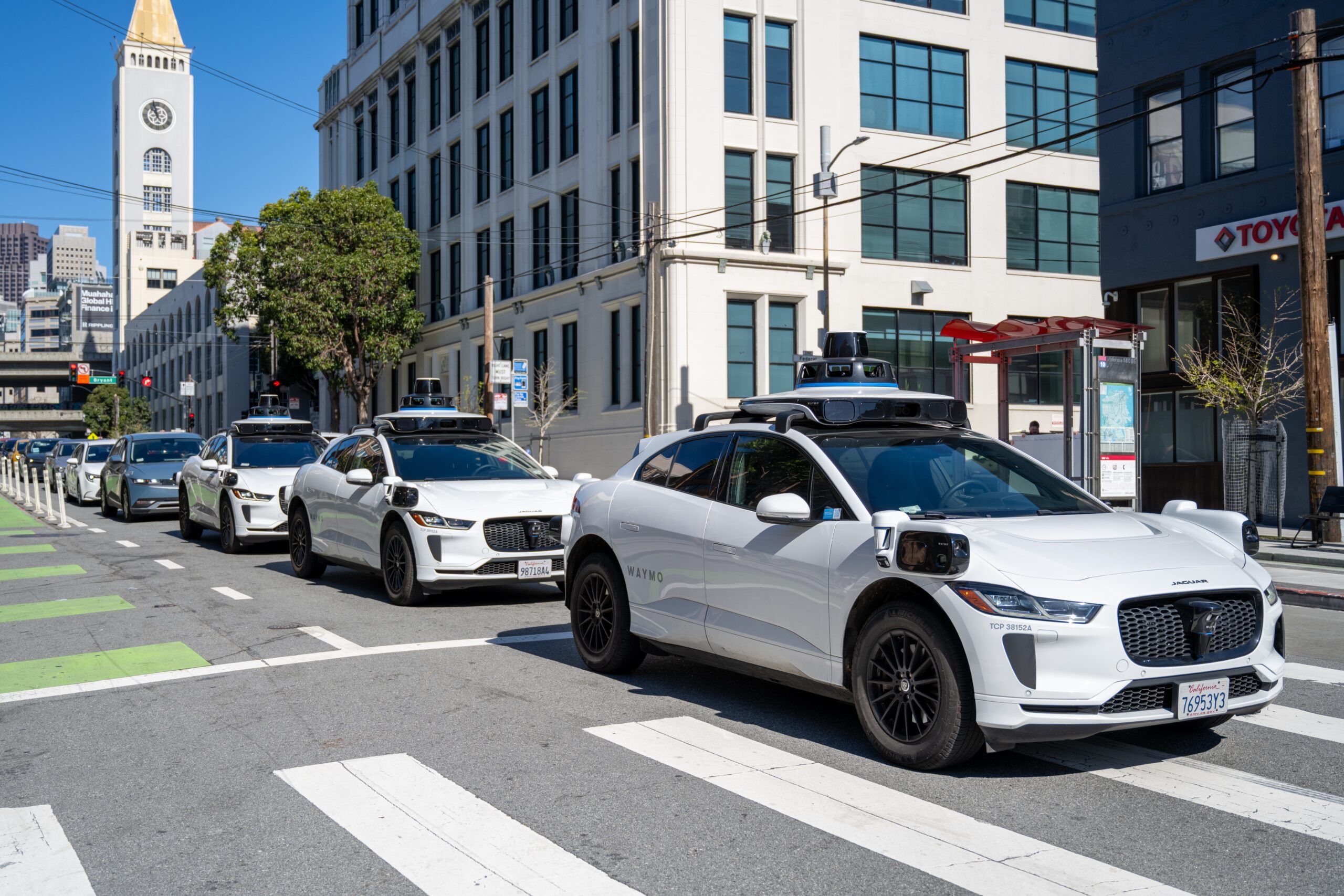
Autonomous vehicles, often called self-driving cars, represent one of the most ambitious technological developments of the 21st century. Combining artificial intelligence, advanced sensors, robotics, powerful computers, and modern communication systems, these vehicles are designed to navigate roads with little or no human intervention. Although fully autonomous transportation is not yet common, rapid advances in technology are transforming how people think about travel, safety, and mobility.
The journey toward self-driving vehicles is about much more than replacing the human driver. It is about creating transportation systems that are safer, smarter, cleaner, and more accessible for everyone.
What Are Autonomous Vehicles?
An autonomous vehicle is a car, truck, bus, or other road vehicle that can sense its surroundings, make driving decisions, and move safely with limited or no human control.
Unlike traditional vehicles, which rely entirely on a driver to steer, accelerate, brake, and monitor traffic, autonomous vehicles use sophisticated computer systems to perform these tasks.
These vehicles constantly observe the road, identify other cars, recognize pedestrians, detect traffic signs, predict potential hazards, and adjust their driving behavior accordingly.
The ultimate goal is to create vehicles capable of safely handling every aspect of driving under a wide range of conditions.
How Autonomous Vehicles See the World
A human driver relies mainly on eyesight, hearing, and experience. Autonomous vehicles achieve similar awareness using an array of advanced sensors that continuously collect information about the environment.
High-resolution cameras capture images of roads, lane markings, traffic lights, pedestrians, cyclists, and surrounding vehicles.
Radar systems send out radio waves that bounce off nearby objects, allowing the vehicle to estimate their distance and speed. Radar performs especially well during rain, fog, and darkness.
Some autonomous vehicles also use LiDAR, short for Light Detection and Ranging. LiDAR emits laser pulses and measures how long they take to return after striking objects. This creates a highly detailed three-dimensional map of the surrounding environment.
Ultrasonic sensors help detect nearby obstacles during low-speed maneuvers such as parking.
Satellite navigation systems provide approximate location information, while highly detailed digital maps help vehicles understand road layouts, intersections, speed limits, and other important features.
Together, these technologies allow the vehicle to build a constantly updated picture of the world around it.
Artificial Intelligence Is the Vehicle’s Brain
Collecting information is only the first step. The vehicle must also understand what that information means.
Artificial intelligence serves as the decision-making system inside autonomous vehicles.
Machine learning algorithms analyze enormous amounts of sensor data in real time. They identify objects, classify road users, recognize traffic signs, interpret lane markings, and predict how other vehicles or pedestrians are likely to move.
If a child approaches the edge of the sidewalk, the system recognizes the possibility that the child could enter the road.
If another car suddenly changes lanes, the vehicle calculates the safest response.
Every second, thousands of decisions are made automatically.
This ability to process vast amounts of information much faster than humans is one of the greatest strengths of autonomous driving technology.
Understanding the Different Levels of Automation
Not every self-driving vehicle has the same capabilities.
Some modern cars already include advanced driver assistance systems that can maintain speed, keep the vehicle centered in its lane, or automatically apply the brakes during emergencies.
More advanced systems can control both steering and speed under specific conditions, but they still require a human driver to remain attentive and ready to take control.
Fully autonomous vehicles capable of operating safely in nearly all environments without human supervision remain under active development and are not yet widely available for everyday public use.
Rather than a sudden leap, autonomous driving is evolving through gradual improvements in technology and safety.
Why the Future Looks Promising
Several global trends are accelerating the development of autonomous vehicles.
Artificial intelligence continues to become more capable.
Computer processors are becoming faster while consuming less energy.
Sensors are becoming more accurate and less expensive.
High-speed communication networks allow vehicles to exchange information more efficiently.
Digital maps are constantly improving.
Together, these advances are making autonomous driving increasingly practical.
As technology continues to mature, self-driving vehicles are expected to become safer, more reliable, and more affordable.
A Safer Future on the Roads
One of the strongest arguments for autonomous vehicles is their potential to improve road safety.
Many traffic accidents involve human factors such as distraction, fatigue, speeding, impaired driving, or poor decision-making.
Autonomous vehicles do not become tired after long hours of driving.
They do not send text messages while driving.
They continuously monitor every direction at once.
They react within fractions of a second to changing conditions.
While no technology can completely eliminate accidents, carefully designed autonomous systems have the potential to reduce many types of human error.
However, these systems must still be thoroughly tested because they can also face situations that are difficult to predict, such as unusual road conditions or unexpected human behavior.
Helping People Who Cannot Drive
Autonomous vehicles could dramatically improve mobility for millions of people.
Older adults who no longer feel comfortable driving may gain greater independence.
People with certain physical disabilities could travel more easily.
Individuals unable to obtain a driver’s license because of medical conditions may gain access to transportation that was previously unavailable.
Greater mobility can improve access to education, employment, healthcare, and social activities, helping people participate more fully in daily life.
Smarter Cities Through Connected Transportation
Future autonomous vehicles are expected to become part of larger intelligent transportation systems.
Cars may communicate with traffic lights, road infrastructure, emergency vehicles, and each other.
This communication could allow vehicles to receive advance warnings about road construction, accidents, hazardous weather, or traffic congestion.
Traffic signals may automatically adjust based on vehicle flow.
Emergency vehicles could receive priority routing.
Traffic jams might become less severe as vehicles coordinate their movements more efficiently.
These connected systems could help cities become safer and more efficient.
The Role of High-Speed Communication Networks
Modern communication technologies will play an important role in autonomous transportation.
Vehicles may exchange information with nearby cars about sudden braking, slippery roads, or unexpected obstacles.
This concept, often called vehicle-to-vehicle communication, allows cars to share important safety information almost instantly.
Vehicle-to-infrastructure communication enables cars to receive information from traffic signals, road sensors, and transportation management systems.
Together, these communication technologies could improve situational awareness beyond what onboard sensors alone can observe.
Electric and Autonomous Technologies Often Go Together
Many companies developing autonomous vehicles are also investing heavily in electric vehicles.
Electric motors are simpler than internal combustion engines and can be controlled with remarkable precision by computer systems.
Electric vehicles also produce no direct exhaust emissions during operation.
Although autonomous technology and electric propulsion are separate innovations, they complement one another well.
Many future transportation systems are expected to combine both technologies.
Reducing Traffic Congestion
Human drivers often contribute to traffic congestion through inconsistent acceleration, sudden braking, and delayed reactions.
Autonomous vehicles can maintain smoother speeds and more consistent following distances.
When many self-driving vehicles cooperate, traffic flow may become more efficient.
Vehicles could select optimal routes based on real-time traffic conditions.
While autonomous vehicles alone cannot eliminate congestion, they may reduce unnecessary delays and improve overall transportation efficiency.
Transforming Public Transportation
Autonomous technology may reshape buses, shuttle services, and urban transportation.
Self-driving buses could provide transportation in areas where driver shortages exist.
Autonomous shuttle vehicles might connect neighborhoods with train stations, airports, hospitals, and business districts.
Rural communities that currently have limited transportation options could benefit from flexible autonomous transit services.
Public transportation may become more accessible, efficient, and responsive to changing demand.
Changing the Delivery Industry
Autonomous vehicles are expected to influence far more than passenger transportation.
Delivery vans could transport goods with greater efficiency.
Autonomous trucks may eventually assist with long-distance freight transportation under carefully regulated conditions.
Small autonomous delivery robots already operate in limited environments, carrying groceries or meals over short distances.
These technologies could improve supply chains while reducing transportation costs.
Challenges That Still Need to Be Solved
Despite remarkable progress, autonomous driving remains one of the most complex engineering challenges ever attempted.
Roads are unpredictable.
Construction zones change daily.
Weather conditions vary constantly.
Pedestrians sometimes behave unexpectedly.
Animals may suddenly cross the road.
Temporary traffic signs can appear without warning.
Human drivers often communicate through eye contact, hand gestures, or subtle movements that computers may find difficult to interpret.
Engineers continue working to ensure autonomous systems can safely handle these complicated real-world situations.
Weather Remains a Major Obstacle
Rain, snow, fog, dust, and ice can interfere with cameras, radar, and other sensors.
Heavy snowfall may cover lane markings.
Bright sunlight can affect camera performance.
Flooded roads may create unexpected hazards.
Although sensor technology continues to improve, challenging weather remains one of the biggest obstacles to reliable autonomous driving.
Future systems will likely combine multiple sensor types so that if one performs poorly, others can compensate.
Cybersecurity Is Essential
As vehicles become increasingly connected, protecting them from cyberattacks becomes critically important.
Autonomous vehicles rely on computers, communication systems, and software.
Manufacturers invest heavily in encryption, secure communication, software verification, and continuous security updates to reduce vulnerabilities.
Cybersecurity will remain a vital part of autonomous vehicle development throughout the future.
Ethical Questions
Autonomous vehicles also raise important ethical questions.
How should a vehicle respond when multiple risks cannot all be avoided?
Who is responsible if an autonomous system makes a mistake?
How should privacy be protected when vehicles collect large amounts of sensor data?
Governments, engineers, ethicists, and legal experts continue working together to address these complex issues.
Careful regulation and transparent safety standards will play an important role in building public trust.
Building Public Confidence
Technology alone is not enough.
People must also feel comfortable trusting autonomous vehicles.
Public acceptance will depend on years of successful testing, transparent safety evaluations, and reliable real-world performance.
As more people experience autonomous transportation, confidence is likely to grow gradually rather than overnight.
History shows that many revolutionary technologies required time before becoming widely accepted.
The Future of Work
Autonomous vehicles may change many professions.
Some jobs involving long-distance driving could evolve as automation increases.
At the same time, new careers will emerge in artificial intelligence, robotics, software engineering, cybersecurity, remote vehicle supervision, maintenance, and transportation management.
Throughout history, technological advances have often transformed the nature of work while creating entirely new industries.
The rise of autonomous transportation is expected to follow a similar pattern.
Scientific Research Continues to Accelerate
Universities, research laboratories, and technology companies around the world continue improving autonomous driving systems.
Researchers are developing better computer vision algorithms.
Artificial intelligence models are becoming more capable of understanding complex environments.
Sensor technologies continue to improve in accuracy while decreasing in cost.
Powerful simulation software allows engineers to test millions of driving scenarios before vehicles enter public roads.
Every year, these advances bring autonomous transportation closer to widespread adoption.
Looking Beyond Cars
Autonomous technology is expanding beyond passenger cars.
Self-driving agricultural machinery is helping farmers improve productivity.
Autonomous mining vehicles operate in hazardous environments.
Construction equipment increasingly incorporates automated functions.
Autonomous ships and aircraft are also under development for certain specialized applications.
The technologies developed for self-driving cars are influencing many industries beyond road transportation.
What the Roads of Tomorrow May Look Like
The roads of the future may be very different from those we know today.
Vehicles could communicate continuously with one another.
Traffic signals may adapt automatically to changing traffic patterns.
Road infrastructure could provide real-time information directly to vehicles.
Passengers might spend travel time working, studying, relaxing, or enjoying entertainment instead of focusing on driving.
Cities could redesign parking areas, transportation hubs, and road networks to support increasingly automated mobility.
While this transformation will take many years, the foundation is already being built.
Conclusion
The future of autonomous vehicles represents one of the most exciting intersections of science, engineering, and artificial intelligence. By combining advanced sensors, powerful computers, machine learning, communication networks, and modern transportation systems, self-driving vehicles have the potential to reshape how people travel, how cities function, and how goods move around the world.
Although significant challenges remain—including safety in complex environments, cybersecurity, regulation, and public trust—the pace of scientific progress continues to accelerate. Fully autonomous transportation will not arrive overnight, but each breakthrough brings us closer to roads that are safer, more efficient, and more accessible. As engineers, researchers, and policymakers continue working together, autonomous vehicles may one day transform transportation as profoundly as the invention of the automobile itself, opening the door to a future where mobility is smarter, safer, and available to more people than ever before.