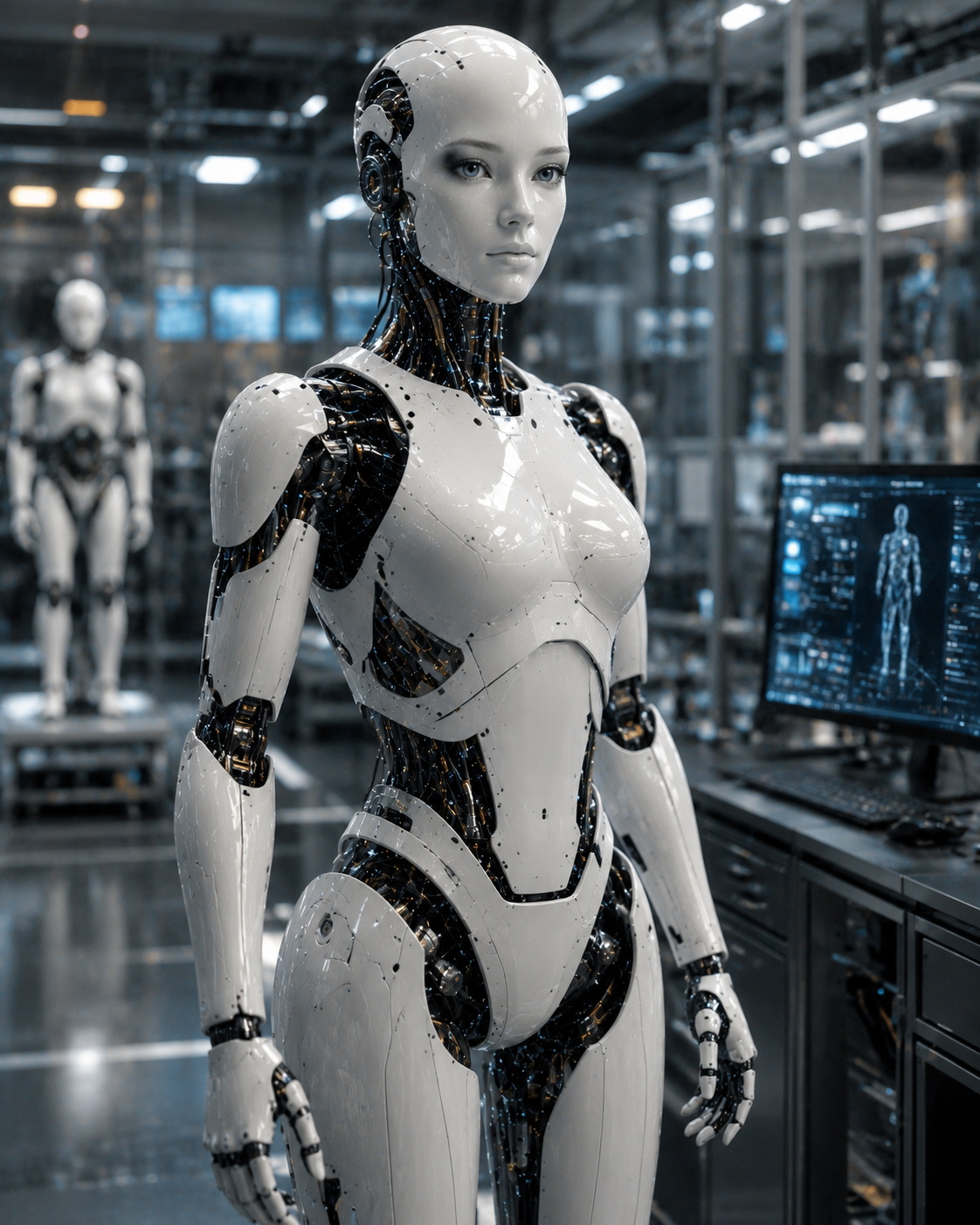
Imagine waking up one morning and being greeted by a humanoid robot that has already prepared breakfast, reminded you about your appointments, helped your children get ready for school, and checked on an elderly family member—all before you even leave the house. Later that day, another humanoid robot assists doctors in a hospital, while others help construct buildings, inspect dangerous industrial sites, explore distant planets, and respond to natural disasters. This vision may sound like science fiction, but it is gradually moving closer to reality.
Humanoid robots are no longer limited to futuristic movies or imaginative novels. Around the world, scientists and engineers are developing increasingly capable machines designed to work alongside people. These robots can walk, grasp objects, recognize faces, understand speech, and even learn from experience. Although today’s humanoid robots still face many limitations, rapid advances in artificial intelligence, robotics, sensors, computing, and materials science suggest that their future could be far more remarkable than anything we have seen so far.
The future of humanoid robots is not simply about building machines that look like humans. It is about creating intelligent tools that can safely assist people, solve difficult problems, and perform tasks in environments designed for human bodies. As technology continues to evolve, humanoid robots could become one of the most transformative inventions of the twenty-first century.
What Are Humanoid Robots?
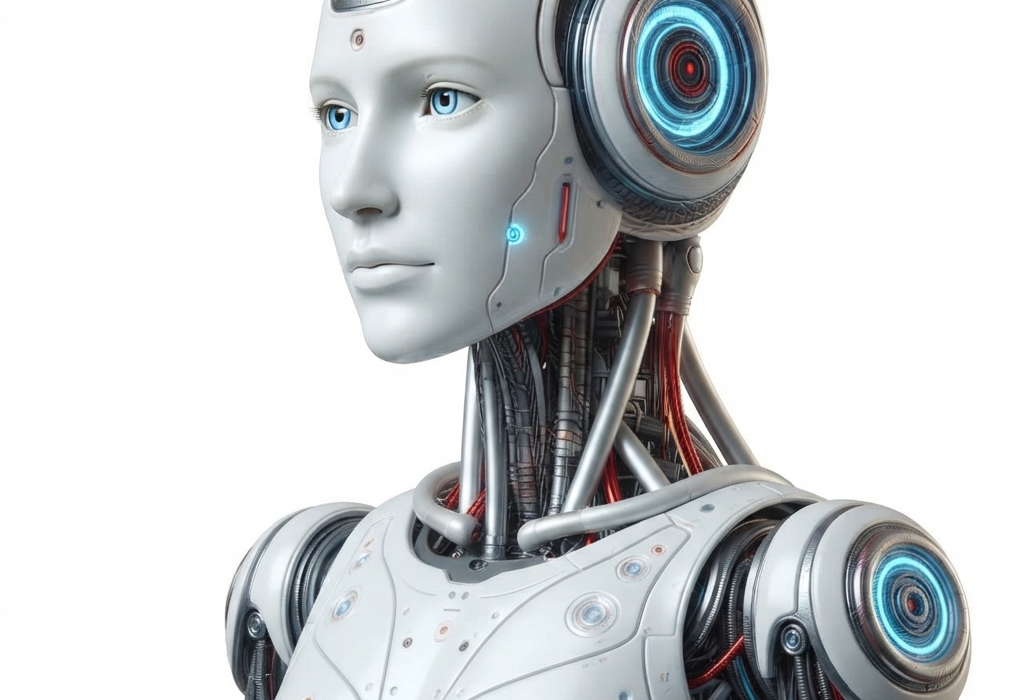
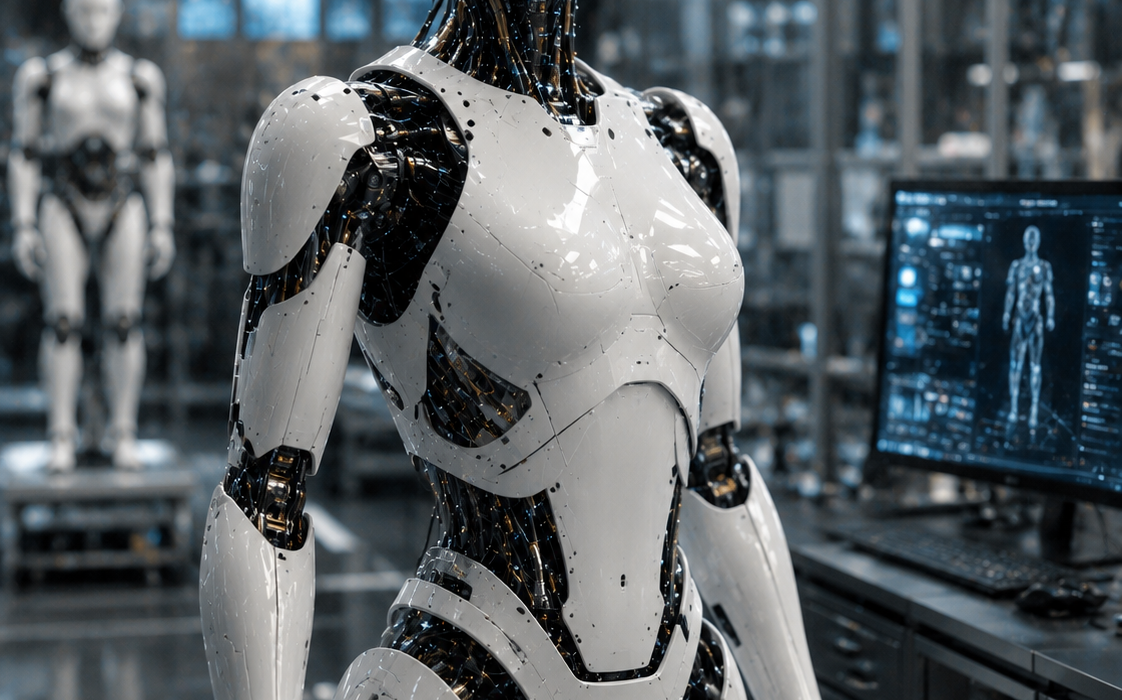
A humanoid robot is a robot whose body is designed to resemble the general shape of a human. Most humanoid robots have a head, torso, two arms, and two legs. Some also include expressive faces, moving eyes, or artificial hands capable of delicate movements.
Scientists design humanoid robots this way because much of the human world is already built for people. Staircases, door handles, elevators, kitchens, vehicles, factories, hospitals, and homes all assume that a person has two hands, two feet, and an upright posture. A robot with a similar body can potentially use the same tools and move through the same environments without requiring buildings to be redesigned.
However, appearance alone does not make a robot intelligent. The true capability of a humanoid robot depends on its software, sensors, motors, computing systems, and artificial intelligence.
Why Humanoid Robots Are Becoming More Advanced
Only a few decades ago, building a robot that could simply walk across a room without falling was considered a major achievement. Today, researchers have developed humanoid robots that can run, climb stairs, maintain balance after being pushed, carry heavy objects, and perform increasingly complex tasks.
Several technological advances are driving this progress.
Artificial intelligence has become much more powerful. Modern AI systems can recognize objects, understand spoken language, plan actions, and learn from large amounts of data. Instead of following only fixed instructions, future humanoid robots may be able to adapt to unfamiliar situations.
Sensors have also improved dramatically. High-resolution cameras, depth sensors, microphones, force sensors, touch sensors, and motion detectors allow robots to perceive their surroundings in ways that were once impossible.
Computers have become smaller, faster, and more energy-efficient. A robot can now process enormous amounts of information in real time while making rapid decisions.
Battery technology continues to improve, allowing robots to operate for longer periods before needing to recharge.
Together, these advances are making humanoid robots more practical for real-world applications.
Artificial Intelligence Will Transform Humanoid Robots
Perhaps the greatest factor shaping the future of humanoid robots is artificial intelligence.
In the past, robots were programmed to perform the same sequence of actions repeatedly. If something unexpected happened, they often stopped working or required human intervention.
Future humanoid robots are expected to become much more adaptable.
Instead of following rigid instructions, they may understand spoken requests, recognize objects they have never encountered before, and solve new problems by reasoning about their environment.
Large language models and advanced AI systems are already improving the ability of robots to communicate naturally with people. Future robots may understand conversations, answer questions, explain their actions, and learn personal preferences while respecting privacy and safety.
However, today’s AI still has limitations. It can make mistakes, misunderstand situations, and generate incorrect information. Scientists continue working to improve reliability before these systems are trusted in critical situations.
Robots That Learn Through Experience
One exciting direction in robotics is machine learning.
Rather than programming every possible action, researchers allow robots to improve by analyzing data and practicing tasks repeatedly.
Just as children gradually become better at walking, grasping objects, or recognizing faces through experience, future humanoid robots may also improve over time.
For example, a household robot might initially struggle to fold laundry. After observing thousands of examples and practicing many times, it could gradually become faster and more accurate.
Learning robots could adapt to changing environments instead of requiring constant reprogramming.
Working Alongside Humans
The future is unlikely to involve robots replacing humans in every occupation. Instead, experts often envision collaboration between humans and robots.
Humanoid robots could perform repetitive, physically demanding, or dangerous tasks while humans focus on creativity, decision-making, communication, and complex problem-solving.
In factories, robots may lift heavy equipment while workers supervise production.
In hospitals, robots could transport supplies, disinfect rooms, or assist with routine tasks, allowing healthcare professionals to spend more time caring for patients.
Construction workers may receive assistance from robots capable of carrying heavy materials or working in hazardous environments.
Rather than eliminating human expertise, these robots may expand what people can accomplish together.
Helping Older Adults Live Independently
Many countries have aging populations.
As people live longer, the demand for caregivers continues to increase.
Future humanoid robots could assist older adults with daily activities such as retrieving objects, preparing simple meals, monitoring medication schedules, and contacting family members during emergencies.
These robots might also reduce social isolation by engaging in conversations, playing games, or helping people communicate with loved ones through video calls.
Importantly, most researchers emphasize that robots should complement human caregivers rather than replace meaningful human relationships.
Compassion, emotional understanding, and complex medical decision-making remain deeply human strengths.
Transforming Healthcare
Healthcare is one of the fields where humanoid robots may have significant impact.
Robots could help move patients safely, transport medical equipment, sterilize hospital rooms, and assist during rehabilitation exercises.
Some future systems may monitor patients continuously, detecting changes that require medical attention.
Highly specialized robotic systems already assist surgeons by enhancing precision during certain procedures. As technology advances, future robots may provide even greater support while remaining under human supervision.
Medical professionals will continue making critical decisions, but robots could reduce workload and improve efficiency.
Education and Learning
Future classrooms may include humanoid robots that help students learn.
These robots could answer questions, demonstrate scientific experiments, assist language learning, or provide personalized educational support.
Students with disabilities may benefit from robots designed to adapt lessons to their individual needs.
Researchers are also exploring how robots can support children with certain developmental conditions by providing structured interactions.
However, educators generally agree that robots should supplement teachers rather than replace them. Human teachers provide creativity, empathy, inspiration, and emotional support that machines cannot fully replicate.
Humanoid Robots in Space Exploration
Space is one of the most dangerous environments humans have ever explored.
Extreme temperatures, radiation, and the absence of breathable air make many missions extremely risky.
Humanoid robots could help astronauts perform repairs outside spacecraft, construct habitats on the Moon or Mars, inspect equipment, and explore hazardous environments before humans arrive.
Because humanoid robots are designed to use tools created for people, they may work effectively inside spacecraft built for human crews.
Future space missions may rely on close cooperation between astronauts and intelligent robotic assistants.
Disaster Response and Rescue
Earthquakes, nuclear accidents, industrial disasters, and wildfires often expose rescue workers to serious danger.
Future humanoid robots may enter unstable buildings, search for survivors, carry emergency supplies, shut down hazardous equipment, or collect information from dangerous locations.
Unlike humans, robots can sometimes operate in environments containing toxic chemicals, high radiation, or extreme heat.
While they cannot replace trained emergency responders, they may reduce risks and improve rescue operations.
Household Robots of Tomorrow
Many people imagine humanoid robots becoming common household assistants.
Future robots might clean homes, wash dishes, organize groceries, fold laundry, mow lawns, prepare simple meals, and assist with routine chores.
They may remind family members about medications, appointments, or household maintenance.
Smart home systems could allow robots to coordinate with lighting, heating, security, and appliances.
Although such capabilities remain under development, researchers continue making steady progress toward more capable domestic robots.
Emotional Interaction Without Human Emotions
Some humanoid robots are designed to smile, maintain eye contact, or respond with friendly voices.
These behaviors can make interactions feel more comfortable.
However, it is important to understand that robots do not experience emotions the way humans do.
A robot may recognize that someone appears sad and respond appropriately because it has been programmed or trained to detect emotional cues.
This should not be confused with genuine feelings or consciousness.
Future robots may become increasingly convincing conversational partners, but scientists continue debating whether machines could ever possess true awareness or subjective experiences.
At present, there is no scientific evidence that existing humanoid robots are conscious.
Challenges That Must Be Solved
Despite impressive progress, many technical challenges remain.
Walking safely across uneven terrain remains difficult.
Picking up unfamiliar objects without damaging them requires extremely precise control.
Battery life limits how long robots can operate continuously.
Reliable operation in unpredictable environments remains challenging.
Robots must also recognize people accurately while avoiding dangerous mistakes.
Building robots that are affordable enough for widespread use is another major challenge.
These problems require advances in engineering, artificial intelligence, materials science, and computer science.
Safety Will Always Come First
As humanoid robots become more capable, ensuring safety becomes increasingly important.
Future robots must detect nearby people, avoid collisions, stop immediately when necessary, and operate reliably even if unexpected situations occur.
Researchers are developing systems that allow robots to recognize hazards, monitor their own performance, and respond safely to failures.
Governments, engineers, and technology companies are also working on standards that guide the safe design and responsible use of advanced robots.
Public trust will depend on demonstrating that these machines can operate safely in everyday environments.
Ethical Questions
The future of humanoid robots raises important ethical questions.
How should robots protect personal privacy?
Who is responsible if a robot makes a mistake?
How should robots be used in workplaces?
How can society ensure that the benefits of robotics are shared fairly?
Should robots always identify themselves as machines during conversations?
These questions involve not only engineers but also ethicists, lawmakers, educators, healthcare professionals, businesses, and the public.
Developing responsible rules alongside technological progress will be essential.
The Impact on Jobs
One of the most common concerns about humanoid robots is employment.
Some repetitive or physically demanding tasks may become increasingly automated.
At the same time, history shows that technological advances often create entirely new industries and occupations.
Future demand may increase for robotics engineers, software developers, maintenance technicians, AI specialists, safety inspectors, cybersecurity experts, and professionals who work alongside intelligent machines.
Education and workforce training will play an important role in helping people adapt to technological change.
Rather than focusing only on jobs that may change, many experts emphasize preparing workers for new opportunities created by robotics.
Humanoid Robots and Everyday Society
If humanoid robots become common, daily life may gradually change.
People might encounter robots in airports, shopping centers, hospitals, hotels, schools, offices, and public transportation.
Robots could assist with customer service, cleaning, maintenance, logistics, and information services.
Over time, interactions between humans and robots may become as familiar as using smartphones or computers today.
Even so, successful integration will depend on careful design, public acceptance, affordability, and strong safety standards.
The Road Ahead
Predicting the exact future of technology is never easy. Throughout history, some innovations developed much faster than expected, while others required decades of research before becoming practical.
Humanoid robots are likely to follow a similar path.
Progress will probably occur gradually rather than through a single dramatic breakthrough. Improvements in artificial intelligence, batteries, sensors, mechanical engineering, and computing will continue to expand what robots can accomplish.
Some tasks that seem impossible today may become routine in the coming decades, while other challenges may remain difficult for much longer.
A Future Built on Partnership
The future of humanoid robots is ultimately not about creating machines that replace humanity. It is about building tools that extend human abilities, improve safety, support healthcare, advance scientific exploration, and help solve some of society’s most complex challenges.
Humans possess creativity, empathy, moral judgment, imagination, and the ability to form meaningful relationships. Robots excel at precision, endurance, consistency, and performing repetitive or hazardous tasks. Together, these complementary strengths could reshape the way we live and work.
As researchers continue to improve robotics and artificial intelligence, the relationship between humans and humanoid robots will likely become one of collaboration rather than competition. The most successful future may not belong to humans alone or robots alone, but to a world where intelligent machines help people achieve more while remaining under thoughtful human guidance and responsibility.
The story of humanoid robots is still being written. Every new breakthrough brings exciting possibilities along with important responsibilities. If developed carefully, scientifically, and ethically, humanoid robots may become valuable partners that help humanity build a safer, healthier, more productive, and more connected future.